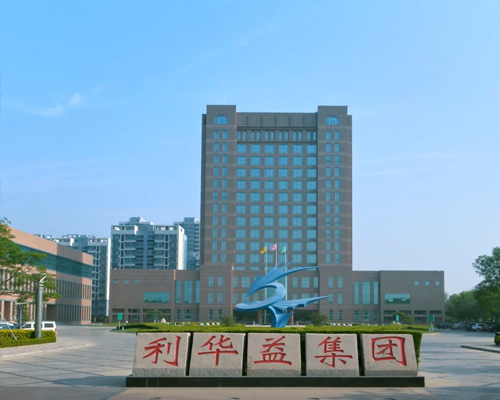
Lihuayi Group Co., Ltd. China
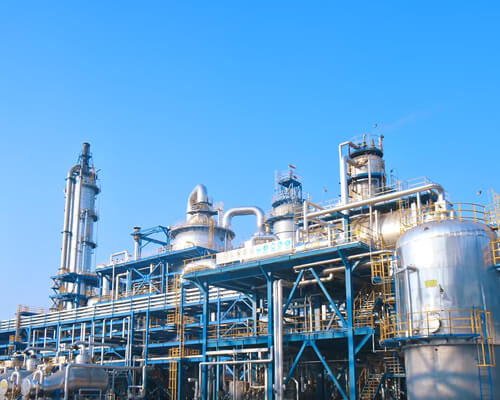
Sitting in the heart of China’s chemical sector, the story of Lihuayi Group isn’t lost on any manufacturer who measures production runs in thousands of tons and manages inventories measured in hectares. The Lihuayi complex in Shandong reflects ambition on a different scale—one not ruled by fleeting price swings, but by decades of long-haul planning, hands-on investment in equipment, and a workforce committed to seeing a batch through from raw material sourcing to drumming, loading dock, and outbound rail. Chemical manufacturing at this scale leaves little room for corner-cutting. Safety drills become routine. Every leak, feed interruption, or delayed vessel shipment reaches upstream in the supply chain and downstream to the customer’s plant floor. That’s where the rubber meets the road, and every true manufacturer feels the impact directly, not through layers of distributors.For every mid-sized plant operator, the growth strategy of a group like Lihuayi offers a case study in how scale brings both clout and pressure. When a group like this ramps up ethylene or propylene units, it sends ripples through sourcing of feedstocks up and down the value chain. For smaller producers competing in similar process segments, keeping pace means constant reinvestment—not just in tanks and reactors, but in local talent who know how to keep a plant humming through a week of high sulfur loads or a turbine trip. The efficiency gains that come with economies of scale might mean tighter margins for those already running tight ships. As big players consolidate, the onus grows heavier on the rest of the sector to differentiate—not through half-measures or sales talk, but through hands-on technical competence and reliability in execution.Nothing tests a manufacturer’s mettle like an unexpected spike in logistics costs, port shutdowns, or a sudden export quota—common enough in a volatile world. Large chemical producers like Lihuayi book entire freight lines and charter vessels, often weathering storms that smaller operators can’t. But as manufacturers, we know real stability depends on more than contracts. It means running plants with the discipline to average out peaks and troughs without cutting into quality, so the customer never faces a missed shipment or off-spec drum. This reality builds long-term trust, more so than any just-in-time system can promise. Stability in the chemical trade, from a manufacturer’s desk, rests on scale, redundancy, and a near-obsessive commitment to process control and maintenance. In practice, this looks like preventive checks, routine overhauls, and a culture where everyone on the floor understands why an extra hour’s shutdown beats a contaminated reactor.For those running the plants, environmental policies aren’t just communiqués tacked up in an office; they live in the day-to-day grind. Lihuayi’s expansion brings the spotlight on emissions, effluents, and energy use. Factories this large must internalize compliance with government standards and international expectations, as audits and public scrutiny reach new heights. From our own walk-throughs, the only way to reliably cut waste and minimize impact is to tackle problems at source: smarter metering, online analyzers for VOCs, and aggressive investments in flare recovery or closed-loop cooling systems. Employees become part of the solution when management backs transparency. Open reporting of process incidents, regular environmental training, and accessible chemical exposure limits spell out for every staff member that they’re stewards at every shift. Big manufacturers must treat sustainability as work in progress, not just a branding point.It’s tempting to view innovation as a top-down edict—some new process licensed from abroad, delivered with a handshake and a ribbon cutting. But manufacturing experience teaches that lasting improvement depends more on incremental tweaks and ground-level suggestions. Whether chasing improved catalyst life, better solvent recovery, or tighter particle sizing, the real advances stick when operators and engineers pool their know-how, experiment with new valve packs, or adjust heat-integrated sequences on the fly. Lihuayi’s resource base allows for funding major R&D, but every plant manager knows progress is measured in everyday troubleshooting—learning what works from failed trials, taking responsibility for maintenance cycles, and letting plant data drive upgrades, not marketing memos.Producers in the chemical arena watch Lihuayi’s growth both as a challenge and as a lesson in finding balance. Scale enables reach—driving better pricing with suppliers, stronger bargaining in energy contracts, and room to develop joint ventures abroad—but also brings exposure. Rapid expansion can mean tougher scrutiny on safety and environmental track records; customers expect not only volume but predictable quality, compliance with international standards, and documented supply chains. For those on the ground, the Lihuayi model serves as a reminder: lasting success in chemicals comes not only from size, but from running reliable processes, being able to respond to clients in real-time, and owning up to missteps when they occur. For those invested in every shipment, every quarterly review, and every process upgrade, that’s the only way to build reputation batch after batch.