News

Latest news and updates from our company

Lihuayi Group Co., Ltd.
2026-03-31

Lihuayi Group Co., Ltd.

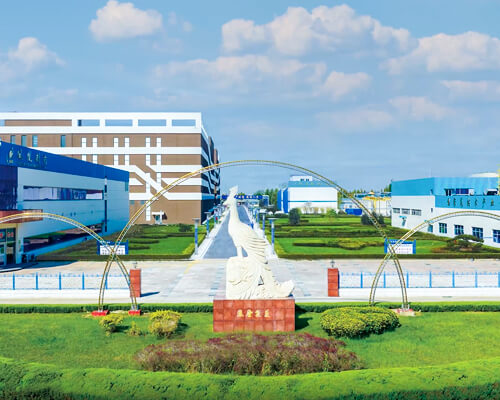
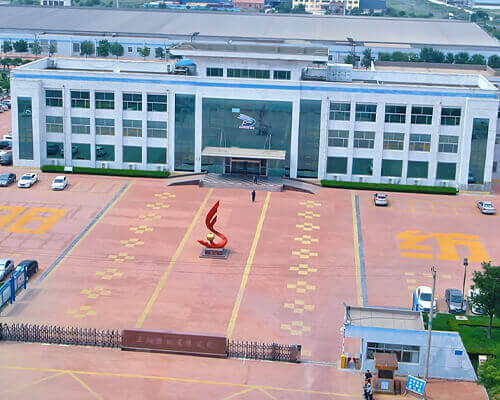
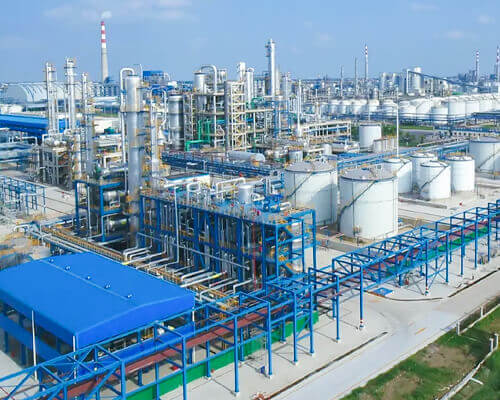
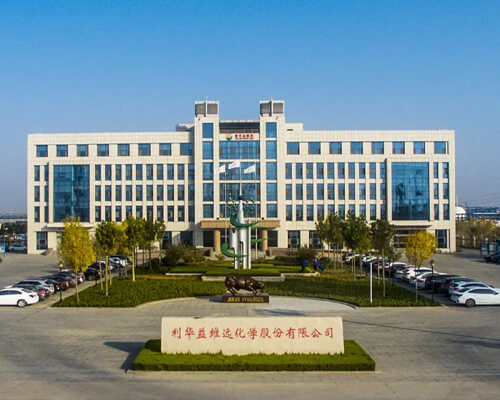
Lihuayi Group Co., Ltd. is a large-scale private joint-stock enterprise group with petrochemicals as its core business, integrating pharmaceuticals, textiles and apparel, and import and export trade. It ranks among the top 500 Chinese enterprises and the top 500 Chinese private enterprises, and is a leading enterprise in both the high-end chemical and new materials industrial clusters in Shandong Province. Since its establishment, the Group has adhered to the development path of oil-to-chemicals, high-end chemicals, and downstream chemicals" and the development model of "integrated refining, chemical, fine chemical, new materials, and new energy, creating well-known brands such as Lijin Refining & Chemical, Weiyuan Chemical (600955), Phoenix Pharmaceutical, and Sanyang Textile, and constructing a core structure of "one major industrial cluster and two major industrial bases": High-end petrochemical industrial cluster: Nine complete industrial chains have been built, including four full industrial chains for PC, ABS, PS, and ASA, covering high-end chemicals such as propane dehydrogenation, propylene oxide, polycarbonate, and engineering plastics, forming a leading domestic integrated industrial system of refining, fine chemicals, new materials, and new energy. National Modern Traditional Chinese Medicine Industrialization Demonstration Base: Possesses exclusive and distinctive new drugs such as Qizhi Yishen Capsules (a national Class 1.1 innovative drug), Tiandan Tongluo Tablets/Capsules, and Compound Chuanxiong Tablets, making it a significant domestic platform for modern TCM R&D and production. National Compact Spinning Production Base: A leading compact spinning production base in China, ranking among the top ten most competitive in the national cotton textile industry. The Group adheres to the core values ​​of "harmony, selflessness, autonomy, and self-awareness," and maintains a four-system management approach encompassing safety, environmental protection, energy, and quality, achieving stable operation of its facilities with long-term, high-load, and high-yield performance. In 2025, the Group's sales revenue exceeded 170 billion yuan, continuously leading the high-quality development of the regional chemical and real economy. Core Advantages: Full-industry chain integration: Vertically integrated from crude oil processing to high-end new materials and specialty resins, leading the industry in cost, technology, and risk resistance. High-end Product Matrix: Primarily supplies high-performance materials such as **GPPS, HIPS, PC, ABS, PC/ABS alloys, ASA, and polyoxymethylene (POM),** widely used in automotive, electronics, home appliances, medical, and aerospace industries. Innovation-Driven: Established the Lihuayi Polymer Materials Research Institute, collaborating deeply with universities and research institutions to independently develop high-end alloys and specialty resins, with many technologies reaching international advanced levels. Green and Low-Carbon Development: Promoting energy conservation, carbon reduction, clean production, and a circular economy, constructing an inherently safe and environmentally friendly modern chemical industrial park. Looking to the future, Lihuayi Group, guided by the philosophy of Low-carbon New Materials Setting the Direction, Creating a Shared Future and Leading Development,"** accelerates its development in high-performance engineering plastics, specialty rubbers, and new energy materials, striving to build a world-class high-end chemical and new materials industrial group. Strengthening the Industrial Chain and Leading the Way in New Quality: A Chronicle of Lihuayi Group's High-Quality Development in 2025 In 2025, facing a complex market environment, Lihuayi Group Co., Ltd. forged ahead against the trend, improving quality and efficiency. Driven by its full industrial chain advantages and technological innovation, it delivered an impressive performance with sales revenue exceeding 170 billion yuan, continuously consolidating its position among China's Top 500 Enterprises and a leading company in Shandong's high-end chemical industry, writing a new chapter in the high-quality development of private chemical enterprises. Deepening Industrial Chain Cultivation: Integrated Advantages Highlighted, High-End Layout Accelerated The Group adhered to the "oil-to-chemicals, high-end-to-chemicals" strategy. Throughout the year, its petrochemical units achieved safe, environmentally friendly, long-cycle, and high-load high-quality operation, and the refining sector achieved its "three-year major overhaul" cycle target. During the year, a 100,000-ton/year ASA special engineering resin project was completed, and the construction of an 80,000-ton/year polyoxymethylene (POM) plant was promoted. The four full industrial chains of PC, ABS, PS, and ASA were improved, forming a synergistic pattern of nine high-end industrial chains. Leveraging the listed platform of Weiyuan Group, the group has strengthened the supply of core products such as styrene, bisphenol A, polycarbonate, and engineering plastics. New materials such as PC/ABS alloys and high-performance PS have been launched in batches, deeply penetrating new sectors such as automotive lightweighting, electronics, humanoid robots, and 6G communications. Technological upgrading projects such as light hydrocarbon catalytic cracking and C4 comprehensive utilization have been put into operation, optimizing raw material structure, reducing energy costs, and continuously enhancing the resilience and competitiveness of the industrial chain. Innovation-Driven: Technological Breakthroughs and Product Innovation With the Lihuayi Polymer Materials Research Institute as its core, the group deepens industry-university-research cooperation, independently developing high-end products such as PC/ABS alloys, high-impact polystyrene, and special engineering resins, with many technologies filling domestic gaps. The **“Lihuayi” Chemical Innovation Award** has been established to gather industry wisdom and accelerate the transformation of new materials and low-carbon process achievements. In the pharmaceutical sector, innovative drugs such as Qizhi Yishen Capsules are steadily expanding in the market; in the textile sector, high-end compact spinning and functional fabrics are being upgraded, with the three major industries advancing synergistically and providing diversified support. Green and Low-Carbon: Safety as the Foundation for Sustainable Development The Group strictly adheres to the four systems of safety, environmental protection, quality, and energy, comprehensively promoting energy conservation and carbon reduction, clean production, and intelligent management. Significant progress has been made in equipment energy efficiency benchmarking, waste heat recovery, and VOCs treatment. The Group successfully passed audits for quality, environment, occupational health and safety, and energy management systems, and was recognized as a green factory and an environmentally trustworthy enterprise. Honor and Responsibility: Industry Leader, Giving Back to Society In 2025, the Group was selected as one of China's Top 500 Enterprises, China's Top 500 Private Enterprises, Shandong's Top 100 Innovative Private Enterprises, and Top 100 Enterprises in Employment Creation. It also received titles such as Leading Enterprise of Shandong Province's High-end Chemical Industry Cluster and Leading Enterprise of New Materials. As a regional economic leader, the Group stabilizes and expands employment, drives the industrial chain, and engages in public welfare, contributing to local development and rural revitalization. Looking Ahead to 2026: Moving Towards the New and High-End In 2026, Lihua Group will focus on new quality productivity, accelerate the construction of projects such as polyoxymethylene (POM), ethylene propylene rubber (EPR), and high-performance resins, expand its applications in aerospace, low-altitude economy, and new energy, and promote its transformation from a manufacturer to a materials solutions provider. Standing at a new starting point, Lihua Group will strengthen and extend its industrial chain, lead with innovation, and pursue green and low-carbon development, striving to build a world-class high-end chemical and new materials industrial group and contribute even more to the high-quality development of China's chemical industry.
Read More
Lihuayi Lijin Refining & Chemical Co., Ltd.
2026-03-31

Lihuayi Lijin Refining & Chemical Co., Ltd.

 Operating from the core of China’s Shandong Peninsula, we have watched Lihuayi Lijin Refining & Chemical grow with interest and a fair bit of respect. Their rapid capacity build-up mirrors the evolution of many homegrown upstream chemical players hungry to gain leverage in a market driven by unpredictable energy costs and intense global competition. In the workshops and control rooms of our own facilities, we follow these developments closely, not just out of curiosity, but out of necessity. Market shifts in Shandong ripple through every major supply chain in the region—risking both our access to critical feedstocks and our established customer relationships. When Lijin fires up a new cracker or expands aromatic output, that puts pressure on a wide swath of downstream factories. Customers start shopping for price breaks and alternative sources. Strategies that once held steady, suddenly need tuning. Even for established names, it gets harder to secure preferred contracts or forecast margin.  At the plant level, the focus on Lijin’s new units brings up more than just capacity figures. There is always a question of safety maintenance, waste-handling upgrades, improvements in flare systems, and the level of automation on the floor. It’s known across the region that environmental inspections swing with little warning. All eyes turn to the bigger plants, especially those with fresh capex investment, to see if they can sustain output when pressure comes from regulators. In our own shop, we remember well the scramble when regulations tightened on VOCs a few years back—the scramble for scrubbers, the late nights spent retrofitting lines, and the race to meet shifting targets. News of these upgrades at Lijin pushes everyone else to check their own compliance plans.  Ethylene sits right at the start of multiple chemical value chains—polyethylene, PVC, oxo-alcohols, and many more. Lijin’s new facilities add long-term stability to Shandong’s petrochemical zone, but they also spark a wave of new investments in polymerization plants, compounding shops, and blending workshops. Companies across the county start penciling out their own expansion, questioning if they should invest now or wait for the dust to settle. For manufacturers like us who have managed through supply shocks (think port closures during typhoon season or winter gas shortages), the boost in local supplies changes how we approach long-term contracts. We have firsthand seen that access to stable feedstock can encourage riskier product innovations and shorter project cycles since the price volatility shrinks. At the same time, a new entrant with strong back-integration undercuts old assumptions about pricing discipline. The scramble for offtake agreements heats up, and over-the-fence partnerships become crucial.  Modern refining and chemical plants don’t just need bigger tanks or higher towers—they depend on an army of trained operators, process engineers, environmental technicians, and automation specialists. The sheer number of recruits needed by Lijin and its peers puts pressure on nearby technical colleges, apprenticeship pipelines, and headhunting firms. For established manufacturers, this means staff churn picks up. Retention budgets swell, as poaching by newcomers means experienced hands move down the road for a salary bump or promotion. Our in-house training department grew out of necessity to keep junior operators up to speed as technology changes. The regional wage curve gets distorted each time a giant like Lijin opens a new line, and competitors are left rebalancing bonuses, shift premiums, and career paths to minimize losses. It’s more obvious with each passing year that a healthy, skilled pool of plant workers forms the backbone of any sustainable chemical hub — and the fight for talent is just as critical as the fight for customers.  Whenever Lihuayi Lijin announces new decarbonization investments or green feedstock trials, we get plenty of questions from both buyers and inspectors about our own carbon roadmap. There’s growing pressure to publish independent process audits and digital traceability for emissions all the way down to the block level. Large producers like Lijin can invest in carbon capture and waste heat recovery, setting new benchmarks across the sector. We have faced the challenges ourselves of scaling up recycled feedstock, finding credible suppliers, and managing the unavoidable cost increases in environmental upgrades. No producer likes to pay more for logistics or filtration, but regional peers know that those who fall behind on green upgrades risk being cut out of branded consumer chains or export orders bound for Europe. Sustainability becomes a matter of survival.  Commodity cycles in chemicals and refining never move smoothly. Oversupply means price drops and consolidation, and then, just as quickly, drought comes and every molecule counts. The entry of major integrated projects like those of Lijin adds new uncertainty—sometimes they can flood the market with one grade, but still leave shortages in vital intermediates that only older, flexible producers can fill. Our experience through previous down-cycles taught us how to adapt by building up smaller specialty lines, managing relationships with older plants, and protecting cashflow through long-term contracts and hedged energy inputs. Veteran producers across Shandong trade war stories about negotiating freight bottlenecks, finding off-grade buyers for stranded volumes, and racing to close short positions when futures curve swings catch management flat-footed. Lihuayi Lijin’s rapid ascent in production means even the bigger teams must revisit their approach to credit management, customer diversification, and cost transparency.  Some view every new refinery or cracker as a threat, others as an opportunity for collaboration. From a manufacturing standpoint, the answer lies somewhere between. We keep a close eye on procurement offers coming out of Lijin, either for bulk intermediates or for off-take arrangements. At times, partnerships make sense—pooling logistics resources, swapping byproducts, or coordinating shutdowns to avoid pinching the market in peak season. At other times, the same company becomes a rival in securing municipal incentives or government project approvals. Over decades, regional chemical clusters learned to navigate the tension between competition and necessity. Well-run plants with stable supply chains can weather temporary gluts in output, tight labor conditions, or regulatory crackdowns. True success for forward-looking manufacturers comes from building trust—trust with local communities on environmental impact, trust with buyers on quality and supply promises, and trust with government regulators on safety and emissions. The announcement of Lihuayi Lijin’s continued expansion doesn’t just change balance sheets in Shandong—it pushes every real manufacturer to reexamine priorities, double down on best practices, and stay ready for whatever the next cycle brings. CONTACT INFORMATIONWebsite:https://www.llihuayi-chemical.com/Phone:+8615365186327Email:sales3@ascent-chem.com

Read More
Lihuayi Weiyuan Chemical Co., Ltd.
2026-03-31

Lihuayi Weiyuan Chemical Co., Ltd.

 Work never stops at a chemical plant. The team clocks in early and the machines hum through night and day. In the chemical business, that constancy builds more than just numbers on balance sheets. At Lihuayi Weiyuan Chemical, production floors shape habits, and the smell of raw material loading mixes with the clatter of process lines. Orders come in with tight deadlines and high hopes, but steel piping and reactor glassware reveal daily how little room there is for error. An interruption—electric flicker, catalyst shortage, or logistics jam—hits everything downstream, from payroll anxiety to lost trust with old customers. We cannot afford downtime. The people here know their livelihoods depend on getting every mix, every shipment, every compliance checklist right.  Over years of expansion, these vibrations carry into daily work. Training new operators isn’t just about process chemistry or valve settings; it comes down to protecting both teams and the local community. Nothing reminds you of that responsibility like a line alarm at two in the morning or the sight of inspectors going through plant safety checks. The chemical business in China contends with local policy changes, rising labor costs, and evolving export controls. At Lihuayi Weiyuan, we’ve had to listen by watching: not only market signals but complaints that reach the front office, questions from neighbors about what blows from our stack, and feedback from clients struggling with raw material prices on their end. Real innovation takes root because these people—operators, engineers, drivers—raise pressing questions. Everyone wants safer, more reliable product. People want proof that what we release isn’t just “compliant,” but forward-looking. No handwaving meets those demands. Lihuayi Weiyuan’s site deployments with continuous emissions monitoring, accidental release capture, wastewater pretreatment, and solvent recycling systems took years, but those investments made us more ready when new regulatory frameworks landed.  Clients raise their own uncertainties every month, but their choices become clearer when trust is built on consistency. Many competitors—domestic and abroad—chase quantities or cost savings, forgetting experienced buyers care less about catalog quantities than timely, on-spec lots and honest technical conversations about what works and what fails. Working inside an actual manufacturing environment, you see how quality really gets built: not by printing extra quality control paperwork or tacking on expensive certifications, but by watching raw material bins, blend tanks, analytic reports, and yes—what operators say about ingredients that just don’t smell or look right. Lihuayi Weiyuan’s growth over the past decade relied as much on operators’ intuition as on top-down investment. High grade chemical production carries sharper risks. Leakages, accidental exposures, or flammable buildup hurt not only business, but worker trust and reputation in the community. Large production runs for domestic and overseas clients now require documentation and tracing that can stand to government scrutiny at short notice. Each analyst in the lab knows: one skewed pH test, one out-of-range IR spectrum, and the load stops where it stands.  New entrants or cost-chasing intermediaries never feel the same level of skin in the game. It’s easy to promise “consistency” from an office—but when customers lose a batch in their downstream process, it’s our customer service answering the call, our technical teams explaining the details, and sometimes, our drivers and managers sitting down face-to-face to solve it together. This business rewards the facilities that outgrow shortcuts and invest in local and international certifications, not to impress auditors but to lock in real learning. Environmental risk, workplace safety, and honest pricing matter if you aim to run year after year, through global shocks in shipping, feedstocks, tariffs, and trade friction.  Every plant expansion means discussions—not just about capacity or throughput but about how a bigger footprint fits into the local community. At Lihuayi Weiyuan, old neighbors remember when the plant ran with half its current headcount, and new community input guides how we secure new land, how waste is contained, how fleets handle traffic on village roads, how effluent outfall interacts with groundwater, and how shifts are scheduled to respect local holidays. Policymakers, environmental bureaus, and the families of our workers all watch more closely every year. Too many high-profile chemical incidents in the last decade turned the spotlight on manufacturers. Any gap in documentation or shortcut in process protection—if it exists—will eventually show. The company’s approach evolved: digitized monitoring, automatic hazard detection, and continuous safety training are not just regulatory boxes but strategies for survival and growth in a country where chemical safety and environmental compliance move faster than old habits. Older generations passed down lessons about major incidents, but only new processes and tech investments protect the next one.  Sourcings raw materials no longer follows yesterday’s playbook. Five years ago, suppliers across China and Asia delivered steady feedstock streams regardless of global headlines. Today disruptions—pandemic patterns, plant accidents abroad, tightening of bulk chemical transport—force real-time adaptation. Internal planning for Lihuayi Weiyuan moved closer to data-driven models. Plant logistics now map multiple supply options for a single intermediate, factoring in geopolitical risks, customs clearance, and sudden fuel cost spikes. By funneling more R&D money into process intensification and alternative chemistry, we hedge against sudden embargoes and bottlenecks. These decisions restore some manufacturing leverage in a world where commodity players can no longer count on global shipping lanes to salvage lost input.  Every order started here builds new habits, new relationships, new pride. Veteran process supervisors teach new hands not just how to keep pumps lubricated or notice leaks—but also why documentation matters, why reporting close calls prevents next week’s accident. On many nights, the plant doesn’t sleep, not because of executive orders but because the family that forms among shift operators, production teams, and maintenance hands watches out for each other. In a sector plagued by public skepticism and memories of chemical accidents, nothing beats a clean record, honest conversations with buyers, and consistent deliveries over years. Promises to innovation and sustainability don’t stick unless they hold up to daily pressure from real production demands, audit trails, and worker suggestions. Lihuayi Weiyuan’s road isn’t paved with slogans, but with gym floors turned into emergency muster points, real-time data that everyone can read, and inside jokes among folks who have weathered night shifts without a hitch.  Chemical manufacturing faces another decade of headwinds—economic, regulatory, environmental, and social. At facilities like ours, pressure turns stubborn thinking into new routines. Every order sent past the security gate passes an invisible test—of quality, of accountability, of human care in a world that doesn’t wait for second chances. Since the first drums left the warehouse, Lihuayi Weiyuan built its standing one shift at a time, one improvement at a time, on the stubborn pride of folks who bet their future on improvement, not just profit margins.CONTACT INFORMATIONWebsite:https://www.llihuayi-chemical.com/Phone:+8615365186327Email:sales3@ascent-chem.com

Read More
Shandong Fenghuang Pharmaceutical Co., Ltd.
2026-03-31

Shandong Fenghuang Pharmaceutical Co., Ltd.

 Experience on the production floor teaches lessons the textbooks rarely cover. At our own facilities, we have learned that making quality products day after day rests on a foundation of discipline and constant adaptation. Shandong Fenghuang Pharmaceutical Co., Ltd. has built a name over the last two decades in both domestic and international markets, and their reputation deserves a careful look. Factories that last understand a product’s success comes from systems that work, not just at the machine level, but at every checkpoint from raw material receipt through shipping. Years in chemical manufacturing reveal that neighbors with a long-standing workforce and steady supply chains consistently produce more reliable goods compared to newcomers whose processes still face growing pains. Shandong Fenghuang has weathered hundreds of audits and regulatory reviews; that grit speaks louder than slogans. Inspections by global agencies shape the way we build our own procedures, much like how watching our colleagues adapt under scrutiny prompts adaptation among the rest of us. Learning from each round of customer feedback and supplier negotiations points to a deeper truth: survival means improvement never stops.  Product pricing in pharmaceutical manufacturing never happens in a vacuum. From sourcing raw precursors to treating every waste stream, each step bites into margins. Shandong Fenghuang Pharmaceutical Co., Ltd., with its broad product portfolio, faces the same uphill struggle many of us do against rising costs and tightening emissions rules. Running a plant in Shandong province means working under China’s increasingly strict environmental laws, which set real benchmarks for those of us hoping to export or pass international certification. We feel the same pressure when the environmental bureau visits; updates to thermal oxidizers or wastewater handling eat into budgets, yet those who avoid these upgrades risk everything when the unannounced inspections arrive. Companies like Shandong Fenghuang who keep solid relationships with authorities and maintain transparency set the tone for others. Onsite, production runs inevitably reveal weak points—an outdated scrubber, poor raw material yields, compromised storage. Seeing how industry leaders handle audits—no shortcuts, consistent documentation, and regularly verified hazard controls—motivates us to adjust our own workflows and invest in equipment earlier, knowing the alternative can close a line or stall shipping for weeks.  Anyone in chemical manufacturing quickly learns that winning in this market needs more than a good recipe. Technological upgrades can lift throughput, slash batch rework, and catch process drift faster. Shandong Fenghuang Pharmaceutical Co., Ltd. leverages automation through dense control systems, continually tweaking process data to get tighter yields and reduce downtime. In our own operations, we have observed how advanced process analytics cut scrap rates, raised service reliability, and meet the growing demands of sophisticated buyers who expect greater consistency year to year. Customers trust suppliers who deliver the same specs tomorrow as they did last year. Copying their approach, using electronic batch records and building digital twins, means less time chasing production mistakes and more time improving chemical purity or turnaround.  Reliable output still comes down to the people running shifts. We see firsthand how the best teams stay sharp through regular training and a culture where old hands pass on technical skills to younger operators. Shandong Fenghuang Pharmaceutical Co., Ltd. has managed to keep an experienced workforce who understand every hidden corner of their lines. This lowers error rates and makes it easier to scale up or switch between different finished molecules. Our own staff benefit when we invest in job rotation and mixed skills teams. Problems that would slow down production rarely get out of hand when there is deep practical know-how on each shift, and production lines can adjust faster to meet both routine and special orders. Talent management in our industry means keeping high retention by offering frontline input into process safety reviews and genuine career progress—lessons observed across long-running firms like Shandong Fenghuang.  Volatility in raw material pricing and availability strikes at the nerve center of any chemical plant. Outages in logistical networks, abrupt policy changes on import tariffs, or global disruptions echo through the supply chain overnight. In conversation with peers at similar scale, it becomes clear that Shandong Fenghuang Pharmaceutical Co., Ltd. maintains multiple sources for key inputs and keeps a steadily refreshed material pipeline. Changing one intermediate supplier often forces a full-scale validation, yet this forward planning pays off during shortages. Our own response borrows this blueprint—maintaining regular audits of vendors, insisting on transparent testing at the source, and reserving production windows to manage slowdowns. For large pharmaceuticals, raw material controls also impact product compliance; a single non-conforming lot can upend shipments and erode long-fought-for customer trust. The answer lies in resilient supply teams and process controls built for rapid change.  Getting waste management right distinguishes true manufacturers from those chasing short-term gains. Wastewater, solvents, and off-spec residue accumulate quickly. Mismanagement can trigger shutdowns, legal trouble, and poison relationships with both authorities and neighboring plants. Shandong Fenghuang’s ability to keep up with waste treatment—fitting systems for both solid and liquid fraction recycling, recovering valuable byproducts—signals a responsibility matched by few. We found that investment in low-waste process design and solvent loop closure does more than meet regulatory red tape; it increases batch consistency and saves on feedstock. Transparency with third-party verifiers, stack testing, and full lifecycle audits hold us—and peers—to higher standards. Culture around waste does not shift overnight, but as the bar rises, so does the market recognition when handled correctly.  Exacting requirements from pharmaceutical end-users, food-grade clients, and even agricultural companies now drive process innovation upstream. Years ago, end-users looked only for broad compliance. Today, audit requests audit span every movement and storage log, with zero tolerance for any lapse. Companies like Shandong Fenghuang have responded by increasing capital spending on traceability—from barcoded intake to automated packaging. Our technical teams felt the same shift; new buyers demand performance histories, supply chain mapping, and digital proof of environmental responsibility. Manufacturers who ignore these market signals risk shrinking order books as preference tilts towards outfits that have built traceable, resilient systems. Peer manufacturers with reputations for transparency find doors remain open when disruptions hit.  Drawing from interactions with industry leaders and our own lessons on the shop floor, key themes keep emerging for weathering future disruption: continual technical upgrades, honest supply chain engagement, real investment in people, and a hard stance on process safety. Experienced firms like Shandong Fenghuang Pharmaceutical Co., Ltd. demonstrate that scaling up or adapting to new products only succeeds with all four operating together. As domestic and global buyers learn to look deeper than price, every leak, shortcut, or lapse stands out more sharply. By focusing attention on real documentation, reliable scheduling, and proof of emission controls, the industry can raise the bar not just for compliance, but for broader trust.CONTACT INFORMATIONWebsite:https://www.llihuayi-chemical.com/Phone:+8615365186327Email:sales3@ascent-chem.com

Read More
Sanyang Textile Co., Ltd.
2026-03-31

Sanyang Textile Co., Ltd.

Sanyang Textile Co., Ltd. has drawn plenty of attention in recent industry news, mostly for the expansion of its manufacturing capacity and push toward updated environmental standards. Sitting here in the upstream side of the chemical field, we’ve worked hand in hand with textile groups since the earliest days of polyester fiber. That hands-on experience gives us a unique vantage, especially as the global spotlight now falls on companies like Sanyang. It’s clear that the textile sector thrives on materials science, and chemical manufacturing forms more than just a background layer in their progress. Changes within textile factories drive changes at chemical plants, and the push for new shades, better washing performance, and improved fabric longevity all summon major innovation in dye and chemical synthesis.Quality control at the chemical level underpins everything that happens further downstream. Sanyang’s large-scale adoption of new synthetic fibers lands squarely on us—chemical manufacturers—to provide both raw materials and consistent quality signatures. Textile makers rely on purity and reliable molecular performance; substandard batches ripple through entire product lines. When a maker like Sanyang announces an increased focus on recycled content, our own laboratories respond by retooling processes, running pilot batches, and conducting more frequent batch-to-batch analytics to reduce contaminants that could disrupt production and dye uptake. Avoiding process hiccups means working with tighter incoming raw profiles and setting stricter trace metals limits.Anyone reading industry news will notice stricter environmental controls roll out year after year, starting at the dyeing vats in textile mills but reaching far up the supply chain. The growing push for lower effluent discharge, particularly from large players such as Sanyang, asks all chemical partners to rethink process water use, waste stream management, and solvent recovery. We’ve invested heavily in closed-loop water systems and have built reactors that not only maximize yield but reclaim as much solvent as possible. Moving away from legacy auxiliaries, such as nonylphenol ethoxylates, required years of research and strict cost management because textile customers asked for effluent levels below strict government targets. Sanyang’s greener outlook did not emerge in a vacuum; it spread across dozens of labs and plants like ours, as chemists tweaked recipes and designed safer alternatives that wouldn’t throw off line speeds or color fastness.Quality audits from major textile companies, especially those shipping to Europe and North America, hinge on traceable sourcing and robust safety documentation. Our safety engineers pore over changing international regulations, REACH lists, and the demands set out by our largest textile partners, including updates to restricted substance lists and new target analytes for GC-MS screening. A supplier can’t keep up if they treat these as background paperwork. Sanyang’s increased market visibility means rigorous third-party inspections and supply chain audits arrive at our own gates without warning, especially for sulfur dyes, optical brighteners, and water repellents. We’ve developed internal barcode tracking and digital lab notebooks because the burden of proving a clean, compliant chain starts at the molecule and tracks through every vessel, shipment, and storage tank.Market demand didn’t stop at traditional cotton or polyester. Sanyang Textile’s focus on blended and technical fabrics presses the chemical field to deliver more than yesterday’s formulations. We’ve seen increased volume orders for functional finishes, including antimicrobial agents and moisture management treatments based on proprietary chemistry. With every new blend or branded finish, chemical synthesis must match production scale with regulatory compliance. The complexity of achieving even color on mixed fiber substrates requires building up libraries of reactive intermediates and surfactant chemistries. Sometimes a simple change in yarn twist on Sanyang’s line triggers conversations across our process and R&D teams for weeks, all because new finishing agents react differently on the altered surface.Major announcements from Sanyang such as plant expansions and new product launches don’t happen in isolation—every shift in their operation volley impacts back to financial forecasts for chemical suppliers. Price pressure is constant in the textile sector, and margin squeezes at fabric level trickle back to the starting material. Sometimes a minor supply chain disruption upstream can echo into Sanyang’s just-in-time planning. We saw this in the wake of raw material shortages, when allocation had to prioritize high-performing, long-standing partnerships. Contracts with manufacturers who maintain consistent volume and transparency survive pricing turbulence better than deals with unpredictable buyers or brokers. Sanyang’s focus on stable, direct supplier relationships explains why chemical plants with robust traceability, like ours, continue to receive repeat calls, sometimes on tight notice.Sanyang’s embrace of recycled fibers and circular economy rhetoric is only as strong as the chemical sector’s ability to deliver new monomers and upcycling additives. There’s hard science between industrial ambition and chemistry’s frontier. For true recyclability, enzymes and catalysts require investments in pilot-scale fermenters, and lab-scale ideas need practical adaptation to real-world textile processing. We face questions from textile R&D teams every quarter about bio-based surfactants, twin-reactive dyeing systems, and low-temperature curing agents—none of which grow from environmental awareness alone, but from years of research inside chemical reactors. Product stewardship is not marketing; it comes from retaining skilled chemists, funding diverse projects, and cross-training plant engineers to recognize process waste that can become tomorrow’s new raw feed.Sanyang’s demands for reliability, greener processes, traceability, and product innovation have pushed chemical manufacturers like us out of any comfort zones left from the 20th century. Few in our field can ignore the reality planted by big textile names: process transparency, regulatory foresight, and technical cooperation are more than buzzwords. Actual day-to-day routines shift with every new batch, every audit report, every updated test parameter received from textile partners working under global brand scrutiny. Only by sharing failures alongside successes can the supply chain adapt fast enough to keep up with volatile markets and changing consumer preferences. Factories that invest in robust analytics and technician training keep pace. Each new textile manufacturing trend, such as Sanyang’s push for functional finishes or recycled blends, triggers changes in how chemicals are sourced, manufactured, and delivered. We have seen this across thousands of tons, dozens of customers, and nearly endless audits.

Read More
Lihuayi Duowei Chemical Co., Ltd.
2026-03-31

Lihuayi Duowei Chemical Co., Ltd.

 In the world of chemicals, every step from raw materials to finished product shapes not just supply chains, but entire industries. Lihuayi Duowei Chemical Co., Ltd. has made its name through hands-on investment in facilities, rigorous process control, steady innovation, and a willingness to tackle big industrial challenges head-on. There’s a comfort in knowing the nuts and bolts of your own manufacturing, not just making the product, but actually living with the outcomes—smooth shipments, occasional equipment breakdowns, customer feedback, regulatory curveballs. Our responsibility runs deeper than just getting things out the factory door; every drum and every shipment carries our own reputation.  In an era where customers expect fast lead times, precise specifications, and reliable quality, chemical producers can’t afford shortcuts. We have learned over the years that consistency comes not from fancy slogans but from a trained workforce, sensible production planning, and investments in infrastructure. For example, keeping batch deviations low means constant attention to process parameters and raw material fluctuations. There is not much room for theory here. If the solvent purity slips, the next stage suffers. If the reactor fouls, everything downstream slows to a crawl. These lessons shape the DNA of any manufacturer who takes pride in their work; Lihuayi Duowei’s path reflects this honesty and the daily grind inherent in serious production.  Market pressures never rest. Demand shifts, unexpectedly tight logistics, or competition from imported materials constantly force us to adapt. The pressure to deliver a purer, more consistent product is especially acute in segments like high-performance resins, plasticizers, or specialty solvents. Traders talk about price and shipment terms. From the factory floor, though, it’s clear that you can’t win with price alone. Repeat customers don’t call about the cheapest offer; they ask who will pick up the phone if something goes wrong, and who will stick with them through iterations and improvements. Building this level of trust and track record means investing years into the right technology and personnel. It means taking each complaint or suggestion seriously, analyzing causes, then actually making changes instead of shifting blame.  More buyers have begun to probe supply chains—looking beyond certificates, wanting to see maintenance schedules, batch traceability, even the training records of the operators. Our experience matches what Lihuayi Duowei Chemical likely faces: comprehensive audits no longer come as a surprise. Factories must lay bare their emissions controls, effluent treatment routines, and energy consumption records. Years ago, spot checks would have sufficed. Today, open books and transparency have become part of the job. Maintaining that transparency adds overhead, but also acts as a bulwark against wild rumors or misinformation.  Like every chemical producer with real assets on the ground, environmental compliance never comes as an afterthought. Simple fixes never cover the whole story—building a compliant production system touches every department. Achieving real reductions in emissions or waste streams drives capital expenditure and sometimes reduces capacity for a period. Customers might not always notice these efforts on paper, but those living near our plants see the difference. In tight communities, the price of sour relationships with local stakeholders runs high, so we learned to engage, share test results, and sometimes reroute resources to keep peace. Lihuayi Duowei Chemical, like us, faces stricter oversight as regulations tighten across China, with new standards for hazardous waste, stricter limits on VOCs, and water discharge requirements. Navigating this terrain alongside technical teams, operations managers, and regulators means balancing what’s possible now with what can be built over time.  Investments in abatement and recovery technologies slowly transform operations. Solutions, once thought cost-prohibitive, become mainstream as penalties grow and as clients themselves ask for sustainable metrics. Solvent recycling, improved reactor clean-out procedures, sludge minimization—these come from years of both trial and error and adapting as regulatory regimes shift. The costs are real and the results uneven at the start, but over time, the payoff isn’t just compliance, but stronger supplier relationships and better risk control.  True innovation in chemical manufacturing does not spring from marketing, but from the people who solve problems every shift. Technical improvements, especially in large-scale organic synthesis or specialty material production, demand a working understanding of real process limitations. To remain competitive, we have automated what can be automated—reactor control, feedstock weighing, product testing. Yet, the sharpest advances come from operators and engineers willing to flag anomalies, adjust routines, and propose upgrades. The culture of continuous improvement means letting go of outdated technology and processes even if they “worked in the past.” It asks for organization-wide buy-in, with management willing to back up investments with time, attention, and resources. Lihuayi Duowei Chemical’s output—whether new intermediates, modified resins, or alternate chemistries—reflects this practical approach. It isn’t the result of a lucky break; it’s hundreds of incremental changes, deeply rooted in operations.  We have seen tangible results by fostering direct collaboration with customers’ R&D teams. Technical support goes beyond handling complaints. Fielding real, sometimes inconvenient questions about application properties, impurity profiles, or product stability means taking responsibility for outcomes. Sometimes we join customers on their own lines, conducting side-by-side testing, or helping analyze off-spec results. By pushing for technical dialogues, many misunderstood issues reveal themselves as process quirks that both sides can resolve. Over time, this builds a partnership far beyond transactional sales.  Reliable supply and product stewardship are more than marketing claims. For a manufacturer, growth relies on calculated risk, capital investment, and knowing which products are worth scaling up. Every expansion involves hard questions about cost, process bottlenecks, raw material supply, and market outlook. Scaling from lab to pilot, then to production, multiplies the variables in play. It’s never just about buying new equipment; it means recalibrating systems, retraining teams, and sometimes wading through months of troubleshooting. Sometimes, progress resets because of unforeseen issues—impurity carryover, catalyst fouling, poor mechanical reliability. Pushing through these obstacles has become a core part of the manufacturing identity, setting true producers apart from packagers or resellers. Our own experience has shown that perseverance in process improvement often delivers stronger returns than a short-lived price advantage.  A company like Lihuayi Duowei Chemical, working at scale, contends with all these same pressures. Excavating underlying root causes, refining utility balance, and managing seasonal demand all mean manufacturers must stay nimble, yet disciplined. Connection to real-world needs and a down-to-earth working culture still drive progress long after slogans lose their shine. With the world placing new demands for traceability, lower environmental impact, and higher safety standards, those willing to carry the weight of actual chemical production will shape the next phase of the industry. CONTACT INFORMATIONWebsite:https://www.llihuayi-chemical.com/Phone:+8615365186327Email:sales3@ascent-chem.com

Read More
Weiyuan (Dongying) Trading Co., Ltd.
2026-03-31

Weiyuan (Dongying) Trading Co., Ltd.

In the world of chemical manufacturing, people might think of suited executives, glossy brochures, or flashy trade show displays. But every real conversation in this industry starts over the echo of pumps and the scent of acetone or solvents in the air. As a factory rooted in the daily grind of producing raw chemicals, I have watched companies come and go, new trading outfits launching with fanfare or quietly slipping into the market’s undercurrent. Recently, Weiyuan (Dongying) Trading Co., Ltd. started making some noise in local and overseas markets. Their name has come up more than once during procurement calls, especially among customers searching for cut-rate deals or new supply chains. Whenever names like this circle the industry with energy, manufacturers like us notice both the possibilities and the gaps that tend to follow.Now, on a surface level, trading companies bridge the space between buyers and raw material producers. They promise customers a combination of convenience and choice—maybe even offer access to grades or suppliers that a direct importer can’t easily secure. But chemicals have stories behind them, and those stories matter. Real manufacturing takes more than buying and selling. It takes the right equipment kept humming with regular checks, process controls that catch even half-degree changes in reaction temperature, and teams that learn from every hiccup. We spend years optimizing batches, refining impurity profiles, retooling reactors—because every kilogram sent out reflects our name written on shipping labels, customs paperwork, and feedback emails alike. The margin for error in chemical manufacturing doesn’t leave room for assumptions or shortcuts.Weiyuan (Dongying) keeps transactions moving, but the distance from factory to trading desk can hide details that reshape quality. A fresh batch of isopropanol might look the same as yesterday’s, but without routine molecular analysis, hidden traces of water or aldehydes can slip by. We test each drum because downstream processors, especially in pharmaceuticals or electronics, rely on strict tolerances. End-to-end traceability also matters more today than ever. Regulators do not show leniency over missing Certificates of Analysis or lapsed registrations, and multinational audits now reach back through every stage of production, not just final packaging. Only those present on the shop floor can vouch for these steps without relying on secondhand assurances.Logistics demands real stamina from any supplier with ambitions to serve a global audience. Chemicals are not boxes of batteries or T-shirts. Every molecule faces shelf-life pressures, delicate compatibilities between container linings and corrosive agents, temperature swings in shipping containers, and shifting customs requirements. Trading companies like Weiyuan may handle paperwork and freight forwarding, but only manufacturers can intercept a leaking valve mid-loading, modify packaging for monsoon cargo, or halt shipments because an out-of-spec parameter surfaced after final QC. The trust that comes with a manufacturer’s shipment has been earned with routine Saturday overtime and weekend maintenance. Our crews remember the relief on a customer’s voice when a batch cleared customs early, saving a halted production line kilometers away.Growing pressure for green chemistry and transparency has shifted conversations in conference halls and boardrooms. Buyers now ask not just for a Material Safety Data Sheet but also for sustainability reports and proof of responsible sourcing. Emissions data, water recycling stats, and energy usage logs need to stand up to external audits. True manufacturers open their doors to these questions because cleaner production means investment in waste heat recovery, reactor upgrades, and wastewater minimization. This isn’t paperwork—this is walking along chemical trenches with visiting auditors, showing off improved scrubbing systems and neutralizing tanks. A name printed on shipping cartons doesn’t offer the same peace of mind as seeing the plant’s environmental controls firsthand. We remember the old days when excess fumes might sneak out or waste management skipped a step; we have spent years fixing those practices to deliver better stewardship for customers aware that every drum has origins.Reputation becomes the unsung ledger of this industry. Accidents travel faster than positive press. Nobody at a manufacturer’s helm overlooks repeat customers who place orders with full faith, nor do they dismiss audits or queries from brand owners facing consumer scrutiny. The risks attached to misunderstanding chemical origins, mishandling third-party certificates, or simply losing track of what went into a particular lot have grown. These matters are not simply about commercial contracts; they carry implications for legal exposure, downstream liability, and the end-product’s safety. These are the conversations we have with risk managers around a shared desk late into the evening, not the messages passed between trading firms over encrypted chat groups.Manufacturers have another role many traders don’t see—guidance. Every year, we receive questions about production tweaks: Can you improve the purity by another decimal point? Why did that crate arrive with crystals forming on the drum cap? What if a customer needs replacement stock in less than seven days? The answers come not from catalog descriptions, but from chemists and plant engineers who have lived the process. Improving a yield, switching from a glass reactor to a lined vessel, adjusting for local humidity—these steps happen in real time. It cannot happen over a spreadsheet round-trip between anonymous e-mails. Whenever customers seek advice, they reach for the red phone that only rings to the site, because that’s where practical solutions begin. If someone faces a supply shock or a quality spike, the real fix comes from hands-on problem solvers, not intermediaries organizing another shipment from halfway across the country.New trading outfits with sharp logos and fast promises can stir up competition, sometimes pushing prices lower in the short term. But under those headlines, manufacturers still shoulder the burden of compliance, capital investment, and process innovation. If the point of the chemical market lies only in quick arbitrage, the foundation beneath the industry will erode. Every link removed between customer and manufacturer carries a cost: less transparency, slower feedback, more room for error. That’s not what delivers long-term reliability. On the factory floor, teams wake before sunrise, trading calculation for precision, building trust one batch at a time. It’s a pace built upon substance, not slogans.This is why buyers, regulators, and the next generation of engineers circle back to real factories. They value being able to verify details at the source, contact someone who understands not just the logistics but also the chemistry, and get answers tested by years of hands-on experience. As names like Weiyuan (Dongying) Trading Co., Ltd. build new connections in the marketplace, the perspective from manufacturing sites does not focus on competition alone—it keeps spotlighting the values that carry industry forward: accountability, expertise, and the memory of every batch delivered with a handshake and a promise that starts long before the invoice and lasts long after delivery arrives.

Read More
Shandong Guoneng Petrochemical Import & Export Co., Ltd.
2026-03-31

Shandong Guoneng Petrochemical Import & Export Co., Ltd.

Standing in a production hall at Shandong Guoneng Petrochemical Import & Export Co., Ltd., the air often carries the mix of resin, solvent, and heated metal. Conversations about supply chains or pricing feel incomplete unless you’ve observed the care that goes into batch processing and quality checks. In our plant, steel vessels don’t just gleam for show — every weld and gasket reveals the commitment to maintaining process safety, efficiency, and the purity of every drum that leaves the line. As a manufacturer, there’s little room for error or indifference. The day doesn’t end until instruments confirm parameters—density, color, water content—all falling within the exact band our chemists would settle for in a beaker. Raw material costs change overnight, and no spreadsheet truly captures the frustration of a delayed tanker at the port or a sudden shortage of upstream chemicals. When a partner asks about our pricing, they deserve to know what happens behind the scenes—logistics teams negotiating alternative supply routes, procurement staff awake at odd hours awaiting customs clearance, and plant teams reshuffling production priorities on the fly. Anyone who’s spent weeks sourcing a particular catalyst, then watched it lose reactivity on the dock, understands the anxiety behind keeping commitments to clients. Staying connected with local refiners and building up storage capacity isn’t a flashy innovation, but this focus on security and resilience shields customers from the volatility that plagues the industry. Most can talk supply chain management; manufacturers embody it, barrel after barrel.Quality control in a manufacturing setting grows from line staff who know every contour of a reactor and maintenance teams trusted to keep compressors running through long shifts. A certified certificate doesn’t replace the daily ritual of pulling samples, sparking conversations between operators and the lab as they compare spectrographic data against previous runs. These aren’t theoretical exercises. If a batch falls out of spec, there’s no passing responsibility—only a walk back through process logs, discussions over possible tweaks, and financial consequences accepted without question. Years of this drill instill a different culture in a manufacturer; we don’t talk about compliance as a buzzword, but see it as a standard owed to every downstream user and each employee who signs off on finished product.Export markets test a manufacturer in ways that don’t usually reach the outside world. New customs regulations cut close, and vessels awaiting berth can cause headaches up and down the supply chain. In these moments, experience pays greater dividends than any advertising. Partnering with overseas buyers for years, one learns what matters: consistent paperwork, upfront declarations of composition, and the willingness to accept responsibility if something goes wrong. It’s common for clients to check origins, request lot-specific documentation, or demand site audits. At Shandong Guoneng, we treat transparency as a baseline—not an inconvenience—knowing that real export relationships rest on handshakes made good through the next shipment, not just words over video calls.Environmental management doesn’t happen only in a permit application. A real manufacturer sees the residue left after distillation, tallies the energy input for each process step, and debates the trade-offs between recycling wash solvent and buying new. These are everyday challenges, not one-off projects. Industry standards and local government oversight set the minimum, but no outside inspector can dictate the sense of stewardship we feel toward our neighbors and the land that surrounds our site. Whether it’s capturing vented gases, filtering wastewater, or switching to greener feedstocks, these decisions require investment measured in more than yuan. They reflect a belief that longevity for both business and community comes only from shared responsibility over decades, not a short burst of profit at the environment’s expense.Innovation too often gets equated with new patents or the latest piece of kit on the factory floor. From the viewpoint of an active chemical manufacturer, innovation looks like improving yield by adjusting reactor agitation and testing what happens with a slightly different grade of catalyst. It means running pilot batches at odd hours, talking through raw data with suppliers, and admitting—sometimes—when something unexpected works better than the textbook result. Laboratories and engineering teams work in tandem with production staff, each new process subjected to the rigors of real-world throughput and up-scaling, not just confined to bench-scale or simulation. The only changes that last enhance operational safety, cut raw material consumption, and hold up under the scrutiny of end-users who track their own compliance tightly.Standing alongside other chemical producers across Shandong and beyond, we recognize our actions ripple outward. Choice of feedstock, approach to catalyst management, and workflow refinements often become reference points throughout the sector. Sharing practical findings—what boosted batch efficiency, which raw material sources proved more reliable, the pitfalls of certain blending strategies—builds a culture where gains are multiplied rather than hoarded in silos. Regulatory frameworks set a baseline, but true industry leaders pull the average up, not down. This collaborative spirit shapes not just competitiveness but fosters higher safety standards, better product consistency, and environmentally responsible methods.Global shifts in regulation and demand cycles don’t change the fundamentals. Our daily concerns revolve around workers staying safe, products meeting specification the first time, and shipments arriving where expected. What distinguishes Shandong Guoneng is the shared understanding among our staff—chemists, engineers, logistics, and operations—that long-term growth only comes by combining technical expertise with unpretentious accountability. Each batch embodies hundreds of decisions taken in real time, every ton shipped a testament to the stubborn, hands-on work of people who aren’t chasing headlines but setting benchmarks for those willing to put manufacturing integrity above marketing flair.

Read More