News

Latest news and updates from our company

lihuayi lijin refinery import data
2026-03-31

lihuayi lijin refinery import data

Our daily business runs on precise data. It’s the nature of chemical manufacturing—predictability versus volatility, cost margins versus feedstock quality. Tracking Lihuayi Lijin refinery’s import volumes tells more than how much crude or condensate clears customs at Dongying port. It signals where upstream tensions might spill over into the downstream plants and labs. When tanker arrivals rise or fall sharply during a quarter, the entire domestic chemical sector feels the pulse. We don’t just wait for finished feedstock or new policies; we reference import figures to adjust procurement, maintenance schedules, and pricing strategy. Operating on razor-thin margins forces every manufacturer to monitor changes in composition, origin, and cost of imported barrels that get cracked and processed into key chemical building blocks.There’s no separating refinery flows from raw material pricing. Even a short-lived supply fluctuation at Lihuayi Lijin can ripple through phenol, acetone, or synthetic resin costs all over China. Over several years, we’ve seen that when import flows dip due to shipping disruptions or geopolitical events, local producers scramble for alternatives. That drives a surge in domestic naphtha or LPG demand, shrinking refinery feedstock reserves and squeezing margins. We’ve witnessed that spikes in international crude prices create headaches in resin polymerization or basic intermediate production. Chemical factories face hard decisions—delay projects, retool, trim production, or stretch credit lines to secure more expensive shipments. Last year, a brief restriction on Russian and Middle Eastern crude trickled down into foam plastics and basic solvents. Plants downstream from Lihuayi’s output saw bids rising on every metric ton of ethylene, putting even more pressure on specialty and bulk manufacturers like us to either absorb losses or renegotiate with customers.Not all imported barrels are equal. Changes in the refinery’s input slate—whether a pivot from West African or Middle Eastern grades to domestic blends—mean constant adjustment on the factory floor. Our chemists and engineers spend more time recalibrating processes due to subtle but critical variations in sulfur, aromatics, or paraffin content from Lihuayi’s intake. We’ve invested countless hours and millions of RMB on lab analysis, input conditioning, and training plant workers. Feedstock inconsistency risks off-spec product runs. Continuous improvement is only possible by tracing refinery import patterns and anticipating changes long before they impact our reaction tanks or blending units. Market-wide, monitoring Lihuayi’s sourcing practice lets local producers plan for stable output instead of chasing last-minute procurement or facing shipment rejections due to minor quality drifts.Environmental compliance drives tougher raw material sourcing choices. We monitor Lihuayi’s import profile closely to gauge potential shifts in emissions, discharge, and waste requirements. Lower quality or unconventional crude imports often introduce impurities, heavy metals, or sulfur loads, complicating downstream waste management. Our facility spent heavily on scrubbers and water treatment solutions, anticipating that temporary upticks in high-sulfur feed could strain local limits and provoke unexpected penalties. Stricter national and local mandates on VOCs and effluent drive us to cooperate with upstream refineries, persuading them to import cleaner grades or implement preconditioning before off-taking shipments to our plants. We’ve experienced firsthand how a refinery’s short-term switch to cheaper, dirtier imported crude can trigger six months of headaches for EHS managers up and down the supply chain, risking fines and production halts.As manufacturers, we need predictability. Lihuayi Lijin’s import data helps us project supply security three, six, or twelve months out. Sudden shifts in cargo origin or volume hint at possible future shortages, logistics bottlenecks, or renegotiated spot prices. Historical patterns show that when Lihuayi ramps up imports for scheduled maintenance, or swings capacity to take advantage of soft global prices, it triggers a domino effect. We learned several years ago that abrupt refinery turnarounds can create short-term surpluses, followed by droughts that push chemical buyers into high-stress auctions. Manufacturers who anticipate these moves early tend to hedge their requirements, take advantage of storage, and establish backup channels—even if it means signing for more expensive domestic alternatives or contracting with multiple sources.Few plants operate in the dark about major refineries’ import practices. We review customs data, port traffic statistics, and even shipping manifests to build a better risk map. Our procurement team doesn’t just chase price; they track changes in the shipment blends, port logistics, and offloading lead times. Advanced data tools—sometimes built in-house—have become essential for cross-referencing refinery imports with spot price indicators, plant maintenance schedules, and long-term purchase agreements. Our planners sit with engineers at least every month to match forecasted runs with projected feedstock mixes, adjusting tolling schedules or reactor settings when new import sources show up at Lihuayi.In chemical manufacturing, few data points are as instructive as refinery import numbers. The way Lihuayi Lijin adjusts its crude or condensate intake provides clear messages about upcoming shifts in available feedstock quality, domestic pricing, and supply chain risk. Our experience shows that only those who pay attention and adapt processes, supply agreements, and compliance strategies to these evolving patterns avoid margin erosion and quality problems. The import sheet isn’t just a list; it’s a compass for the entire industry.


Read More
lihuayi petrochemical import data
2026-03-31

lihuayi petrochemical import data

Many talk about numbers when it comes to Lihuayi Petrochemical’s import data, but those of us behind the gates remember there are people and equipment behind each shipment. Over the past year, port congestion, shifting customs rules, and sudden swings in global freight rates have forced every plant supervisor to stay alert. Watching a vessel offload crude feedstock is only part of the job. Delays at Rizhao or Tianjin ripple through the entire production schedule, halting more than just machines. Hundreds of operators, maintenance crews, and logistics coordinators must adjust hour by hour. Last February, stricter port entry checks pushed shipping timelines, causing us to run partial batches and adjust catalyst cycles. On paper, this drops the plant’s “efficiency,” but the real cost comes in the form of overtime, wasted utilities, and lower yields, not to mention purchases of emergency additives at premium prices.Every time Lihuayi’s import data swings, managers on site face tough decisions. For instance, a sudden dip in imported naphtha volumes means the cracker may have to switch to alternative feedstock or run below optimal loads. Domestic alternative supply contracts often cannot match either the volume or consistent specification of imports, so the plant’s technical teams stay on call to recalibrate processes. In 2023, when overseas cargoes from Southeast Asia met tighter quality reviews, the operations team flagged impurities in CDU feed, prompting us to tweak separation temperatures and filtration methods. These real-world corrections never show up in trade stats, but they determine the final output quality and, more importantly, the safety of the equipment. Mistakes force unplanned shutdowns and can push planned overhauls ahead of schedule, driving up cost. This side of the business cares less about spreadsheets and more about keeping pipelines clean and reactors in spec.Import data only tells part of the story. At the manufacturing level, every arrival triggers a domino effect: lab teams scramble to run ASTM D86 distillation tests or GC analyses on offloaded samples, as upstream blending recipes shift with each new lot. Multiple hands must coordinate unloading, quality verification, and storage tank assignments, all in a compressed window to avoid demurrage. The reliability of overseas partners and the transparency of their shipment certifications become critical, and we remember the period in late 2022 when a large batch’s documentation was missing chemical tracer verification—leading staff to sample each tank individually, adding full shifts across three departments. Every adjustment draws from years of operational know-how, blending digital dashboards with lessons learned from spillovers, misloads, and even a rogue storm or two off Shandong’s coast. No one on the factory floor ignores the evolving compliance landscape. Each new customs regulation, environmental rule, or import documentation requirement means retraining, rewriting routines, and, sometimes, overhauling legacy equipment. Tighter port scrutiny on benzo(a)pyrene or sulfur content in imported feedstock—a recurring theme in Lihuayi’s recent entries—drives the lab to invest more time per shipment, stretching inspection resources and pushing turnaround targets. In past months, customs held back several shipments amid concerns over trace contaminants, and the consequences reached deep into the plant: partially filled reactors, increased flare volumes, and, ultimately, lost business. Our largest concern always circles back to health and safety. A missed impurity in feedstock can escalate into equipment corrosion, catalyst poisoning, or even process safety incidents—things that add real risk to anyone working near high pressures and temperatures.From a manufacturer's perspective, responding to shifts in Lihuayi import data means more than updating computer models or running annual procurement reviews. The crew adapts by keeping alternative suppliers qualified, running ongoing scenario drills, and investing in traceability systems that track feedstock back to its origin. We have found value in building redundancy into storage infrastructure, expanding vapor recovery capabilities, and using predictive analytics to anticipate customs bottlenecks before they hit the wharf. Cross-functional teams share lessons both formally and during shift handovers, building institutional knowledge to weather the uncertainties of international trade. As global markets cycle and policymakers adjust the rules, we rely on experience, quick response, and a willingness to revisit old procedures—setting real people in motion long before a single molecule leaves the port gate.

Read More
Lihuayi Lijin Refining & Chemical's strategic layout upgrade: Synergistic development of National VI emission standard oil products, methyl tert-butyl ether, ethylene, propylene, and ABS resin projects.
2026-03-31

Lihuayi Lijin Refining & Chemical's strategic layout upgrade: Synergistic development of National VI emission standard oil products, methyl tert-butyl ether, ethylene, propylene, and ABS resin projects.

Years of operating chemical manufacturing plants have taught us that strategic plant upgrades and cohesive product chains don't just keep the lights on—they create real, stable foundations for a region’s development. Lihuayi Lijin Refining & Chemical isn’t just chasing a trend by targeting a synergistic development approach with National VI emission standard oil products, methyl tert-butyl ether (MTBE), ethylene, propylene, and ABS resin. This kind of integrated thinking reflects both pressure and promise: environmental regulations are no longer a forecast, but a reality; market demand for cleaner fuels and value-added chemicals is rising, and staying ahead means tackling multiple needs within a single revamped platform. Policies such as China’s National VI emission standards don’t just draw lines in the sand—they force a reckoning in every process, from crude oil storage to product shipment. Refineries no longer thrive by producing only gasoline and diesel. We recognized early that customers, government agencies, and the downstream chemical sector expect consistent improvements in emissions, reduced aromatics, and higher octane products. Rolling out oil products that meet these stricter standards isn’t a matter of swapping catalysts. It takes deep investment in reformer units, hydrocracking technology, and skilled process engineers who can translate small process tweaks into major performance jumps on the compliance side.Adding MTBE to the product slate isn’t just about supporting gasoline output—it's a strategic move that turns feedstock complexities into opportunities for both economic and environmental advantage. MTBE boosts octane, and a plant integrated with petrochemical upstream units can optimize the isobutylene stream instead of letting it go undervalued. Factory floors where every byproduct gets routed up the value ladder stand stronger against crude price swings. We have seen projects where failure to tie in MTBE production left too much value unrealized from available C4s. When regulations shift, refineries with this level of integration pivot efficiently.Ethylene and propylene act as the workhorses of the petrochemical industry. With a refinery-petrochemical joint setup, our processes move beyond simply supplying fuels and basic cracker products. Every molecule coming from the CDU and FCC units gets considered for highest-value conversion. Ethylene and propylene production naturally complements a refinery’s distillation and cracking streams, and align with the output needs of ABS resin synthesis. Instead of simply selling base resins or fuels, expanded integration means that the same raw materials can generate higher-margin polymers for automotive, electronics, and appliance manufacturing, closing the gap between crude oil and consumer end markets.The engineering synergy doesn’t end with matching flows: heat recovery, steam optimization, and shared waste treatment systems help the bottom line and meet increasingly strict environmental baselines. Over decades, we have seen utilities integration and shared services trim costs while freeing capital for technical upgrades and R&D. Investors and local governments look for these synergies—they want to see that resource use isn’t just more efficient, but better aligned with industrial policy. This sort of approach is essential to winning approvals and, more importantly, community trust. ABS resin stands out as a prime example of how integrated value chains deliver resilience. Outages in global supply chains during recent years exposed risks for manufacturers who buy basic monomers or imported finished polymers. By nesting ABS production directly within the broader ethylene and propylene stream, Lihuayi retains quality control, flexibility, and response speed. This isn’t just a spreadsheet benefit. Direct involvement in each stage—styrene, acrylonitrile, and butadiene generation, along with the polymerization itself—means troubleshooting happens with firsthand data, and innovation can move from pilot lab to plant floor without months of delay. Clients downstream, including automotive firms and electronics suppliers, count on domestic supply to buffer against price shocks and logistics snags.Every manufacturing veteran knows changes in emissions standards shift the gears for entire supply chains. Upgrading to National VI-compliant fuels means less sulfur, fewer aromatics, and advanced desulfurization and isomerization processes on site. The direct benefit to air quality is significant and measurable. Across the years, as we’ve shifted to cleaner fuels, we see results in lower particulate counts, reduced acid rain precursors, and more manageable refinery emissions stacks. Operators who lag behind, or cut corners on these upgrades, often face shutdowns, penalties, and reputational setbacks that linger far longer than any up-front investment would have cost.For refineries with backbone—and an appetite for large-scale, continuous investment—these cyclical challenges become gut checks and reputational inflection points. An integrated approach absorbs regulatory shocks instead of amplifying them. MTBE, for example, as an octane enhancer, supports the production of cleaner-burning fuels with higher combustion efficiency, reducing knock and optimizing for the needs of newer, lower-emission vehicle engines. A focus on MTBE, properly managed for leak prevention and water protection, demonstrates both a technical and environmental commitment that customers and authorities recognize.Integrated petrochemical platforms always demand careful planning around logistics, market volatility, and technology risk. The push-and-pull between refining and chemicals comes with daily operational challenges: balancing feedstock flexibility against specialized product quality concerns, avoiding unplanned flaring, and managing outage risk when a shared utility network spans critical production lines. Each time we deepen integration—linking reformers, crackers, and polymer plants more tightly—we see both gains and new choke points. Strategically, the best defense comes from a full systems approach. Bringing in advanced process control, digital production dashboards, and ongoing operator training doesn’t just help catch problems, it builds a culture of shared responsibility for quality and compliance.ABS resin output, especially when managed in direct connection with the refiner’s cracker, provides a rare reliability for domestic industrial growth. Industries further down the value chain—household appliances, electronics, and automotive—gain certainty and faster lead times. Across several projects, customers consistently come back to local suppliers who demonstrate both vertical control and technical transparency. This matters, especially during periods of global logistics collapse or raw material price surges. It’s not just the immediate supply picture but the demonstration of technical capability and willingness to invest that cements partnerships.A seasoned refinery team knows technology changes, but expectations—especially around environment, safety, and reliability—only grow. The National VI standards represent both a technical challenge and a social contract. Plants that consistently deliver measurable emission reductions foster trust among regulators, employees, and local communities alike. We have learned directly how upstream choices echo down to the refining margin and public perception. Lihuayi’s full-chain approach means city officials see real air quality improvements, engineers experience smoother process flows, and clients access consistent, high-quality inputs.New regulatory rounds, growing urbanization, and rising customer standards don’t present one-time hurdles—they’re ongoing forces. Creating a platform where National VI fuels, MTBE, ethylene, propylene, and ABS resin production tie together doesn’t just tick compliance boxes. It knits together economic stability and technical capability. Every upgrade, every process re-engineered for higher efficiency or lower emissions, secures the refinery’s license to operate, not just with central government but with every set of eyes in the region. That’s how trust is built—through technical confidence, visible results, and the daily discipline of integrated management.

Read More
Lihuayi Weiyuan Chemical Co., Ltd. has built a complete industrial chain from phenol to acetone to bisphenol A to polycarbonate.
2026-03-31

Lihuayi Weiyuan Chemical Co., Ltd. has built a complete industrial chain from phenol to acetone to bisphenol A to polycarbonate.

Running a plant with a complete industrial chain, spanning phenol, acetone, bisphenol A, and polycarbonate, brings more than the buzzwords of “vertical integration.” For factories handling the chemistry day in and day out, every link better supports the one before and after. This approach cuts out the unpredictable swings of raw material costs and ensures the right grade of feedstock shows up, at the right time, in the right spec. That chain starts with cumene, splits out phenol and acetone, then marches those intermediates to higher-value products like bisphenol A before finally winding up with polycarbonate resin. Managing the entire process makes sure each part sings in tune with the other.This structure’s biggest impact plays out on the shopfloor. Without waiting on outside shipments or scrambling for quality assurance every time a tank arrives, teams can quickly tune conditions upstream and immediately see benefits downstream. If specifications shift for bisphenol A needed in the next run of polycarbonate, adjustments happen in real time without endless phone calls or renegotiations. Making all these products under one umbrella slashes production hiccups. Even small improvements in the acidity or purity of acetone roll into better bisphenol A yields and brighter, higher-performing polycarbonate pellets.Factories staking everything on this value chain win on more than reliability. Running the full route from phenol to polycarbonate makes it easy to use byproducts and off-spec material for alternate purposes instead of discarding them or selling them off at a loss. In a single-site setup, acetone that misses a narrow grade for export quickly reroutes into downstream processes without waste. Every molecule matters, and minimizing waste reduces both disposal costs and environmental footprint. Teams working across departments catch issues before they spiral: a small drip in the acetone recovery loop doesn’t wait until a quarterly review because plant workers see its effect on the next product every single shift.Supply chain hiccups hit every segment of industry in recent years. Cracking crude oil into cumene, refining to phenol, and keeping that all under one roof means not relying on last-minute imports. A chemical manufacturer with this setup shields itself from logistics logjams. Delays in ports or rail snarls don’t have the same power to choke off production. Teams know the flow inside out, which lets decision makers reroute internal supply more smoothly and anticipate where bottlenecks could appear. Even global pricing swings feel buffered, because the need to “cover” material in spot markets shrinks.Control over the complete process brings more credibility during audits and with stakeholders focused on environmental, safety, and quality programs. Government bodies and international buyers want traceability — not just of the product, but of every input and every emission. By manufacturing across the chain, plants keep closer tabs on inventories, chemical yields, and byproducts. Integrated facilities often run more efficient energy balances: steam generated during phenol production routes into heaters used for polycarbonate polymerization, squeezing out extra value at each stage. Customers see this in higher audit scores and fewer surprises in long-term contracts.The tighter connection lets research teams push process improvements, stepping up to solve problems that would seem minor — or even impossible — if each product came from a different supplier. When engineers trial a tweak in catalyst or washing protocols for bisphenol A, those same scientists can scale it up and watch as improvements move through the polycarbonate stage. The data all lives in-house, free from translation errors or the risk of copy-paste mistakes from countless outside vendors. This drives knowledge sharing, ensures intellectual property stays secure, and promotes hands-on training where young engineers rotate and learn the whole process instead of just one link in the chain.Opportunities multiply as regulatory pressures increase and customers want new, differentiated materials. Integrated setups enable sustainable shifts in feedstocks, whether that’s incorporating bio-based phenol or novel co-monomers alongside existing infrastructure. The business gains flexibility not just in finance, but also in meeting complex market demands. It’s easier to trial new internal standards or work with partners on specialty applications when a team can control the properties of every ingredient going into the finished resin. Tuning process variables for clients in the automotive or electronics industry becomes much faster than waiting for tweaks from external suppliers.Experience on the ground makes it clear: real integration delivers more than theory and PowerPoint slides suggest. Running everything — from the phenol reactor to polycarbonate extrusion — removes layers of uncertainty, rewards continual improvement, and lets manufacturers stand tall in terms of resilience and consistency. Plants set up this way can keep promises to customers even as global conditions shift, not just offering a product, but backing that up with data, traceability, and technical know-how built from sweating the details, every day, at every step.

Read More
Shandong Fenghuang Pharmaceutical Co., Ltd.: Integrated supplier of Metformin Hydrochloride Sustained-release Tablets and Amlodipine Besilate Tablets.
2026-03-31

Shandong Fenghuang Pharmaceutical Co., Ltd.: Integrated supplier of Metformin Hydrochloride Sustained-release Tablets and Amlodipine Besilate Tablets.

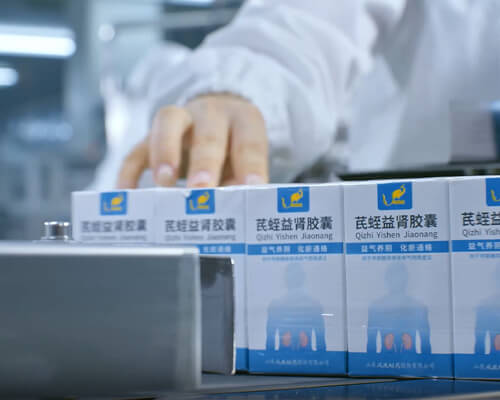
 Working directly at Shandong Fenghuang Pharmaceutical, I see every stage of tablet production from the inside. Across the entire process—sourcing of raw materials, synthesis, tablet pressing, coating, strict quality tests, and packaging—the benefits of handling everything under one roof show up not just in finished products but in our culture. With Metformin Hydrochloride Sustained-release Tablets and Amlodipine Besilate Tablets, integration isn’t just a business choice. Our teams meet weekly to coordinate schedules so that maintenance, cleaning, and process adjustments happen seamlessly. This reduces chances for contamination and production interruptions. With the sustained-release technology in Metformin, for example, every batch demands absolute control over granule size and coating thickness. By not depending on outside parties, we maintain that precise control. I’ve seen batches shift from almost perfect to off-spec in facilities that rely on outside pellet or coating suppliers. Bringing it all together in one plant removes variables and reduces the surprises that keep quality assurance teams up at night.  Supply chains grow more complicated every year. Any disruption anywhere—weather, shipping delays, sudden changes in raw material prices—ripples quickly. When COVID-19 hammered logistics networks worldwide, our end-to-end production let us pivot in real-time. Integrated operations go beyond smoothing daily operations: they helped keep Metformin and Amlodipine tablets reaching hospitals and pharmacies across China at a time when every delay meant someone’s sugar or blood pressure was going unchecked. We watched peers overseas scramble for APIs and adjust to unpredictable delivery times from third-parties. Our own in-house synthesis and reserves let us absorb price shocks and keep costs under control. In turn, patients relying on their prescriptions didn’t see gaps or sudden changes in dosage availability. Everything we make is planned for months in advance, giving our downstream partners the reliability they ask for year after year.  Producing in an integrated manner builds trust with regulators and clients. Our production records tell the entire story from incoming raw material identification, through intermediate production, to the finished batch—each step gets logged, checked, and archived. In an era of heightened generic drug recalls, end-to-end documentation offers tangible reassurance. Regulators now ask not only where the API came from but how every step leading to final release was controlled and documented. Last year, when a competitor faced a widespread recall over nitrosamine impurities, we could demonstrate, down to equipment calibration logs, that our processes remain clean and within limits. Transparency isn’t just about opening the books to an inspector. It’s the confidence we give medical professionals who prescribe our tablets to patients they see year after year. That reputation for reliability brings doctors—and patients—back to our products.  Tablets like Metformin sustained-release and Amlodipine have zero tolerance for batch variability. With sustained-release systems, even minor changes in excipient composition or coating uniformity swing blood level curves unpredictably. Every technician in our blending and compression areas gets cross-trained to spot changes in powder behavior, moisture uptake, or tableting pressure that could signal process drift. Owning every step gives us tools to solve issues in hours, not weeks. I’ve seen examples where tight production integration let us respond to seasonal humidity changes—adjusting environmental controls and small batch parameters—before any effect hit the market. For tablets subject to regulatory bioequivalence studies, real-world process control means fewer fluctuations and less risk during audits or post-marketing surveillance.   Feedback from pharmacists makes a difference to us. Reports of pharmacy shelves stocked reliably with our tablets result from the choices we made years ago about integration rather than waiting for market trends. In rural clinics or small pharmacies, delays or shortages erode people’s faith that modern medicine works for them. When global news headlines warn of impurities or shortages, the familiar blue packaging from Fenghuang stands out as an anchor for both doctors and patients. We frequently receive messages from healthcare providers showing thanks for having “regular supply” with “smooth blood pressure control” or “no changes in diabetes readings”—phrases that get lost in business reports but matter most in the real world. Behind the scientific data and regulatory wins, the impact of full integration at scale brings a quiet confidence that the health outcomes predicted in clinical trials are delivered every time a blister pack leaves our line.  Having every function in-house—chemistry, engineering, packaging, and logistics—encourages teams to innovate in ways that piecemeal supply could never allow. Our chemical engineers gather feedback directly from QC and packaging to optimize not just purity but stability or ease of tablet splitting. Issues once treated as “downstream” become opportunities for cross-discipline problem solving. Last year, the tablet development group worked alongside engineering to shorten tablet dissolution time windows by revising the compression sequence, which helped us improve performance in sustained-release metformin. This would be impossible if one team sat a thousand kilometers away, receiving nothing but shipment rejections and emails. Every link in the chain gets stronger as teams see their expertise reflected in the final product in the market. Customers may not always notice these incremental improvements, but inside the company, these tight loops accelerate both technical gains and job satisfaction.  Chronic diseases continue to rise globally, increasing demand for antihypertensive and antidiabetic medications every year. As a manufacturer, watching order volumes climb is satisfying, but it also demands accountability. We regularly revisit raw material contracts and storage plans to safeguard long-term supplies without overextending inventories and risking obsolescence. Regular equipment investments keep lines running at peak efficiency without losing sight of environmental and safety requirements. Our environmental team monitors emissions and wastewater, aligning upgrades to new national standards as they emerge—more than just regulatory box-ticking, real people live and work next to our plants. Sustainable integrated production lets us service both urban hospital systems and smaller regional clinics without missing a beat. Long-term, this steadiness in supply and safety grows trust with communities that rely on us not just for economic reasons, but as part of public health infrastructure.CONTACT INFORMATIONWebsite:https://www.llihuayi-chemical.com/Phone:+8615365186327Email:sales3@ascent-chem.com

Read More
Lihuayi Weiyuan Chemical Co., Ltd. Dimethyl Carbonate (DMC)
2026-03-31

Lihuayi Weiyuan Chemical Co., Ltd. Dimethyl Carbonate (DMC)

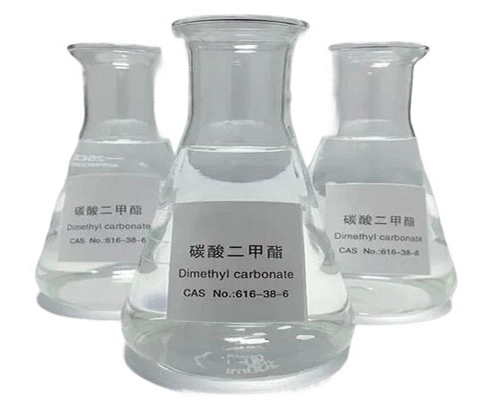
Every time headlines talk about chemical supply chain stress, I remember how unpredictable our days get inside Lihuayi Weiyuan’s plant. Some years ago, the attention lingered on simple molecules, but now, dimethyl carbonate shows up in stories about lithium batteries, green solvents, paints, adhesives — even national sustainability strategies. There’s always another story about downstream users scrambling for DMC or worrying about sharp price swings. In my experience, much of the problem starts with capacity constraints and seasonality. In northern China, winters grow longer than most like, and rail runs slower when the snows pile up. Production stays smooth only with careful planning. At our site, we track daily demand across sectors, which means real people monitoring shipments, adjusting batches, and working overtime if a major customer’s order surges. I’ve watched crews rework schedules in the control room late into the night rather than risk a single late delivery. These choices go way beyond spreadsheet optimization. The process calls for those on the ground to notice the smallest changes in raw material purity, moisture, or pressure, all of which hit yield and cost.For many years, DMC was mostly considered a solvent and methylating agent, overshadowed by bigger commodity chemicals. Now it sits under the spotlight as the world turns its focus to greener manufacturing processes. Compared to phosgene-based syntheses, our DMC output relies on more benign feedstocks, and that change hasn’t been without long learning curves. Achieving tighter controls on byproduct management took deliberate retrofits and daily patience from technicians. Our people have trained on ways to recover and re-use methanol, integrate waste heat, and cut utility consumption. Hundreds of factory improvements sprang from plant workers’ observation, not boardroom PowerPoint slides. Most outsiders don’t see how one misplaced valve or a minor leak can unravel a month’s worth of sustainability planning. We keep a daily record of energy use and spend mornings troubleshooting with engineers to close efficiency gaps that make real bottom-line and environmental differences. There’s pride in not just meeting local emission rules but anticipating where our sector heads two or three years out — even if those requirements reset every time a new policy expert publishes a white paper.For end-users racing toward new battery chemistries or high-performance coatings, steady DMC quality counts more than ever. Labs come calling for higher purity and consistency, expecting answers on trace metals or moisture that seemed irrelevant not long ago. The pressure lands back on the manufacturing team. At our plant, operators keep logs of batch variations and escalate the smallest deviation so chemical makers downstream avoid costly rework. In one instance, an automotive customer flagged a faint yellow tint. Our team ran extra purification trials for two days, determined to get to the source rather than lose a decades-long client. Instead of filling orders blindly, we share real sample runs directly from the process stream, talking through each result with the customer tech team rather than sending them off to phone extensions. It’s a relentless loop: the market demands more control, and we keep adjusting. In these moments, ‘supply reliability’ means fathers missing birthday dinners or operators sticking through holidays, all to make sure a tanker leaves the gate clean and full.Often, outside journalists only cover the risk stories — explosion headlines or regulatory crackdowns. Inside, the risks and solutions tie back to discipline and memory. Older supervisors hand down safety lessons by showing new hires what happened during a runaway reaction, not just quoting procedural manuals. Years back, one line tripped from a sensor failure that got overlooked. Instead of silence, we ran a plant-wide drill. People ask how regulation shapes industry, but out here, the standard comes from daily repetition and deep respect for what a high-pressure vessel can do if misunderstood. We keep open relationships with local inspectors, often inviting them to unannounced walkthroughs, not as a formality but as a way to improve together. Every upgrade, every failed pump, and every unexpected cold snap leads to a conversation on how to build better and reduce unplanned downtime. Sometimes solutions come from midnight problem-solving sessions next to the reactor or through old-fashioned, face-to-face meetings beyond Zoom or Teams.Continuous DMC supply means regular maintenance, crew rotations, and a stubborn focus on keeping equipment within narrow tolerances. We’ve seen young engineers bring new data tools and veterans push for equipment tweaks based on years of lived experience. In every discussion about cost or origin, the tough reality stays the same: high-value production stands on the trust and expertise of human teams. Even the best automation can’t replace their judgment in tight moments. Sustainable, consistent production can’t be outsourced halfway around the globe or replaced by chasing the cheapest option. The real work of keeping chemicals flowing in a volatile global market rests with those who wake up before dawn, run late in stormy weather, and still take calls from anxious customers demanding answers on quality or timeline. Each DMC molecule shipped from our gate carries not just cost and composition but the commitment of people who face the actual pressures of production and accountability. That’s what makes enduring quality — and market credibility — possible year after year.

Read More
Lihuayi Weiyuan Chemical Co., Ltd. Polycarbonate (PC)
2026-03-31

Lihuayi Weiyuan Chemical Co., Ltd. Polycarbonate (PC)

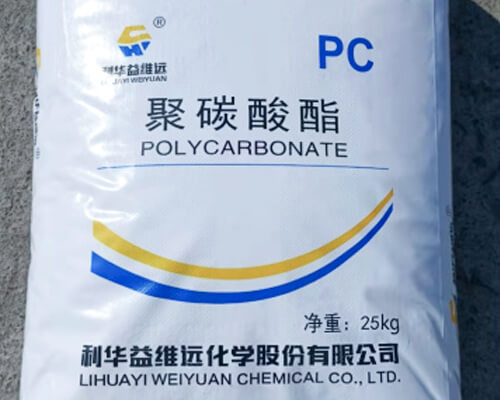
Walking through our polycarbonate plant, the first thing that hits you isn’t the hum of compressors or the endless racks of reactors—it's the sense that people here care about the outcome. We build polycarbonate from the ground up, right from sourcing raw materials like bisphenol-A and phosgene, all the way to finalizing the pellet cut and clarity of each batch. Skilled technicians monitor every aspect of the process—temperature, pressure, fluid movement. Even though many think production stops at extrusion, our team offers detailed quality checks at multiple stages, weeding out flaws that could undermine heat resistance or mechanical performance. Problems pop up in any plant: small inconsistencies in temperature, shifts in process control, brief lapses in downstream handling. Ignoring them never brings good results. A watchful approach—correcting equipment, recalibrating feeders, reviewing new lots of feedstock—cuts down on variability and raises the bar for every shipment. Global processors ask more from their resins each year, demanding higher light transmission, better toughness, tighter color control. Polycarbonate quality comes from long-term commitment to plant upgrades and training, not shortcuts or “batch magic.”Some folks believe once a plant posts the “polycarbonate” label, every bag will work for every molding line, no questions asked. Reality lands differently. Each downstream processor looks for reliability—consistent melt flow, minimal black specs, no hidden gels or yellowing—because small flaws ruin cycles. So the challenge falls to us, the manufacturers, not to toss terms like “high-quality” around, but to earn trust with every load shipped out the door. Achieving consistency means more than running the right formulas; it means fighting contamination, documenting every step, and learning from both failures and rare customer complaints. Years ago, an OEM flagged faint haziness in parts molded from one batch; digging through operator logs and resin samples revealed minor changes in an upstream process valve—a nuance missed by a casual observer, but critical when it comes to end-use safety and transparency. Since then, additional sampling, automated controls, and faster team communication help us catch even slight process drifts before resin ever leaves our site.Cheap resin floods the global market every season, with traders touting discounts and “just as good” substitutes. As a direct producer, we don’t treat these market shifts as abstract headlines. Purchasing teams watch freight rates, raw material swings, and competition from new capacity cropping up in other countries. It’s tempting to shave pennies off production costs, but easy savings now often mean headaches when customer claims return, or rejection rates mount. Our choice always rests on fully understanding how small savings can multiply into bigger losses. Factories depending on imported polycarbonate may face unforeseen transit delays or shifting tariffs. By controlling production inside our own gates, we guard against disruptions, and support customers with localized supply and technical support from people who know not just the market, but the product inside out. Polycarbonate applications—from electronics to autos to medical components—leave no room for shortcuts. We learn from every batch, every inspection, and focus on improving outcomes rather than chasing transient cost gaps.Polycarbonate production never runs itself. Even after years of operational experience, unexpected events—energy price spikes, feedstock shortages, tighter environmental rules—force hard choices. Our job isn’t simply filling orders, but guaranteeing that what arrives at the converter’s dock delivers dependable performance in every application. Plant managers and line operators work together to anticipate complications, running trial batches with any new lot of raw BPA, testing resin across the full range of customer processing speeds and temperatures. Instead of hiding hitches or quietly blending off-spec material, we pull reports apart and track root causes back to valves, pumps, drying cycles, or raw material source. Customers call with problems—spots inside lens covers, warpage on automotive spoilers, unpredictable cycle times on thin-wall parts. We step up, sending engineers and support teams not with excuses, but with data, samples, and revised plant plans. Onsite assistance often means more to a customer than a polished presentation. In the depths of a process hiccup, the willingness to share test results and recommend plant changes fosters relationships built on trust, not just transactions.Large chemical sites shape the neighborhoods around them. Our operations produce results not just for customers in faraway markets, but for families and workers living within sight of our plant. Effluent treatment, emissions control, energy optimization—these aren’t optional projects or topics for public relations, but ongoing commitments. Our team tracks every step in effluent management and air emissions, and invests in both plant upgrades and operator training. We don’t wait for local regulators to flag issues—we monitor, report, and act, often aiming to exceed the minimum standards. Polycarbonate may enter service in car headlamps or water dispensers halfway around the world, but we answer to neighbors who watch flares or truck traffic day in and day out. Energy-saving retrofits, quiet pump upgrades, and even traffic scheduling can cut hours off noisy night work and reduce the site’s footprint. Safety and environmental responsibility cut across every shift and every project. Bad outcomes in the neighborhood can undo years of technical or business success overnight. Responsible operation doesn’t come from a checklist, but needing to look your neighbor in the eye after any incident.Hands-on, practical know-how forms the backbone of polycarbonate manufacturing, but it extends to customer service as well. Technical teams answer the call not just with off-the-shelf answers, but by digging into the specifics—line setups, screw designs, temperature profiles, mold finishing, cycle troubleshooting. Sometimes a small tweak in drying protocol or a spin through a new mold-release agent saves a run; sometimes the root of an issue traces back to the conversion equipment itself. Years of fieldwork have taught us that few problems exist in the manual, and no in-plant fix fits every converter’s needs. Our support doesn’t end with “passed” test certificates: we put in the work to understand real-world use, assist with certification, and help raise customer confidence. Repeat orders and long-lasting partnerships follow hard-won technical trust, not empty promises.Each plant run teaches its own set of lessons. Process engineers swap notes on new catalyst tweaks, extrusion profiles, or moisture control methods—constantly searching for both big breakthroughs and incremental improvements. It’s easy to chase headlines with futuristic “green PC” or complex alloys, but day-in, day-out demands lie in consistent properties, ease of coloring, smooth processing, and stable cost control. Some improvements come from adopting better measurement tools, new filtration materials, or automation; others rely on operators who spot the smallest blip early. Market shifts and regulatory changes can hit fast—restriction of certain feedstocks, call for lower carbon emissions, or rules governing food-contact safety tests. No solution arrives overnight, and each move forward takes hard work: pilot-scale trials, months of logged production data, and often hundreds of hours spent fine-tuning. Lasting improvement doesn’t come from flashy launches, but from listening to those closest to the process and learning from every outcome. Plant pride grows not from slogans, but from knowing families—from wiring-harness makers to appliance molders—count on us every day.

Read More
Lihuayi Lijin Refining & Chemical Co., Ltd. Acrylonitrile Styrene Acrylate (ASA)
2026-03-31

Lihuayi Lijin Refining & Chemical Co., Ltd. Acrylonitrile Styrene Acrylate (ASA)

Every batch of Acrylonitrile Styrene Acrylate (ASA) that rolls off our reactors carries the weight of a thousand moving parts—each handled by real people who know every valve's quirk, every sensor's telltale blink, every subtle shift in viscosity or hue that signals what's going on inside the line. At our plant in Lijin, reliable output isn't just a matter of routine. It's a function of deep, sometimes hard-earned experience. Polymeric chemistry rarely forgives shortcuts, and ASA proves this rule each time its three main monomers react differently depending on winter chill or summer humidity. Consistent performance rides on relentless process tuning to match raw feedstocks, line pressure, and targeted molecular weights. Fail to balance these, and downstream molders and extruders report fish-eye marks, discoloration, or brittle failure in service, none of which downstream industries will accept.It took years of struggle and plenty of discarded product to reach a point where our ASA stands up to high UV exposure without chalking or yellowing. The learning curve costs money—a lot of it in plant upgrades, pilot-scale testing, and stubbornly repetitive analysis by technicians who come to recognize good ASA resin by touch and smell as much as test print data. Re-crackers, continuous compounding lines, cyclone separators for dust—these are investments a chemical manufacturer has to make on its own balance sheet. Only then does a product emerge that can face the outdoor furniture, automotive, building materials, and signage markets on their own demanding terms. Failure to invest means ceding ground to competitors willing to put in the work, or (worse) passing defective resin down the chain, chipping away at the reputation that took years and millions of RMB to build. The past few years brought sharp reminders about overreliance on far-off feedstock and global shipping links. ASA resin production begins with critical monomers—the acrylonitrile, butyl acrylate, and styrene streams—each subject to the tide of global pricing, regulatory checks at ports, and logistical bottlenecks ranging from vessel shortages to sudden export bans. Domestic suppliers provide some relief, but contracts need frequent renegotiation as crude oil or natural gas prices spike. Any interruption sets back deliveries, so we pre-buy raw material and maintain redundancies in tank farm storage. In periods of shortfall, years of nurtured relationships with local petrochemicals producers mean we’re less exposed to overseas price gouging or stockouts. Over time, these relationships permit steadier scheduling and more predictable final resin properties. This resilience in supply chains makes a difference that downstream customers feel directly in their own lead times and confidence in future demand planning.ASA’s promise in the market rests on its blend of weatherability, mechanical stability, and color retention. Every claim stems from a run of lab measurements, quality logs, and tabletop exposure tests, but behind each of those is hours of human oversight. Automated spectrophotometers, MFI testers, and impact bars spun out weekly tell only part of the story. What sets durable ASA apart is the manufacturing floor’s stubborn refusal to let QA/QC slide, even when big production quotas loom. Each polymerization batch can introduce minute shifts in melt flow rates or gloss—on a bad run, these deviations show up as rejects on customer processing lines, and the complaints follow fast. Adjusting initiator dosing, cleaning lines, and retraining new operators all pull resources, but the alternative (losing a decade-held client) has steeper costs. At Lihuayi Lijin, the drive for traceable, repeatable properties never stops. Our teams keep every lot on record with well-documented parameters—the resin’s story from origin to final bag can be reconstructed when something goes wrong. Most customers require this transparency now as basic precondition for business.True improvements in ASA production never proceed from automation alone. Robots can weigh and blend powders with dazzling speed, but solving complicated emissions issues or pinning down the source of a faulty yellow undertone always comes back to human experience. Experienced process engineers develop a sense for micro-leaks in nitrogen blankets, slight surges in steam jacket pressure, or unexpected odors venting off the line. New environmental expectations mean every kilogram of ASA has to clear tight VOC emissions checks as well as annual energy audits. These don’t get solved by digital dashboards; they get solved by operators who know their plant, know their toolkit, and are invested in tightening up every leak or efficiency slip. Our teams—many with decades working from line helper to plant foreman—face these challenges openly, sharing what they’ve learned with each incoming group. Over the last five years, the pressure to cut waste and decarbonize became part of daily activity, not just a compliance checkbox.Complaint resolution isn’t an email chain passed around an office. It usually starts with a direct call from an end-user: a molding line manager who spots strange weld lines, or a buyer who finds last month’s ASA batch off-color by just a shade. Our response isn’t a template—it’s dispatching a support engineer to the customer’s site, running resin samples against retained lots, and opening up production logs to solve the issue at root level. Sometimes it means eating the cost of pulled batches, or field-testing short-term fixes right next to customer machines until extrusion lines run clean. From these responses, process improvements filter back into plant routines, training documents, and even layout changes for material flow. ASA production is a constant feedback loop between manufacturing floor, technical teams, and the industries that stake their own production lines on our resin holding up under real world abuse.The drive for cleaner, tougher polymers isn’t slowing. Markets want resin made with less fossil input, greater post-consumer recyclability, and higher performance at lighter weights. Building this into ASA chemistry means real change—developing peroxide-free initiator systems, sourcing recycled monomers, and designing additive packages that pass European and North American weathering and safety tests. Committing to this comes at cost—investment in R&D, re-certification cycles, and new mixing and devolatilization lines. As regulation grows stricter, documentation has to get more thorough, and records of every mix shift, every operator action, need to be locked down. Overcoming these hurdles means drawing on the same practical, on-the-floor problem solving that got this plant running in the first place, not just hoping for a lucky break from suppliers or a favorable policy wind. In the end, ASA’s market reputation tracks closely with the ability of its primary manufacturers to keep investing, keep training, and keep saying yes to every new curveball the market throws.

Read More