10+ Years in Chemical Export
30+ Successful Shipments Worldwide
ISO-Certified Quality Management
Trusted by 100+ Industrial Clients
Our quality system adheres to ISO 9001 and GMP frameworks. Raw materials require verification of a third-party Certificate of Accreditation (COA) upon arrival, and production processes follow Standard Operating Procedures (SOPs) and batch records. All products come with a COA, MSDS, and TDS.
Leveraging the end-to-end production capabilities of our own certified factories, we can reliably guarantee order delivery with a standard lead time of 30-45 days, and maintain regular inventory of products. Furthermore, we can provide a complete set of export documents, including certificates of origin and declarations of conformity, to help clients efficiently complete customs clearance at the destination port.
Technical support covers the entire product introduction cycle:
1) Free samples provided;
2) Formula adjustment suggestions for issues such as agglomeration, dissolution rate, or purity;
3) Customized consultation and production based on your target specifications.
We integrate sustainable practices throughout our manufacturing processes, focusing on raw material control, safe production, emission reduction, and regulatory compliance. Our facilities operate under strict quality and environmental standards to ensure responsible and reliable chemical supply.
Our Sustainable Development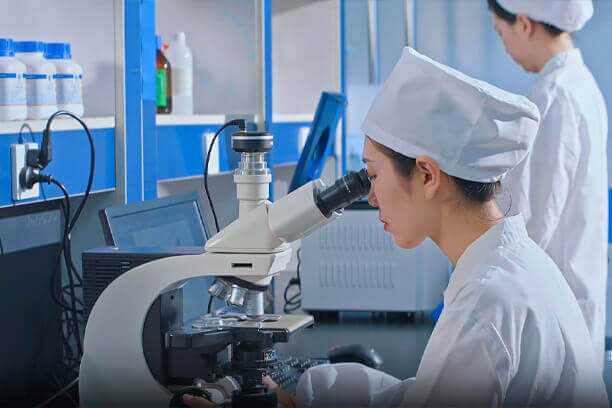
We continuously develop new chemical solutions and refine processes to meet evolving industry demands.

Our operations prioritize environmental stewardship, responsible sourcing, and long-term resource efficiency.
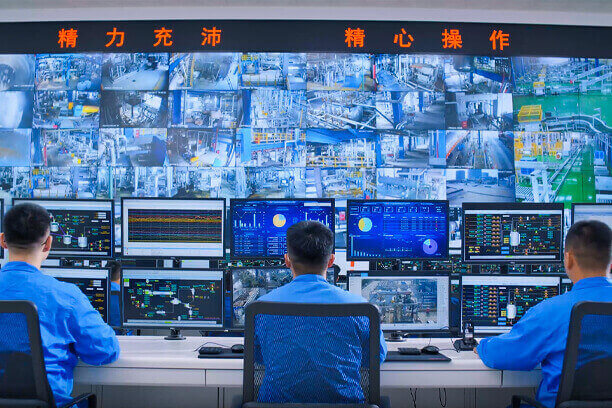
Consistent quality, stable supply, and responsive support ensure our partners can trust us in every project.
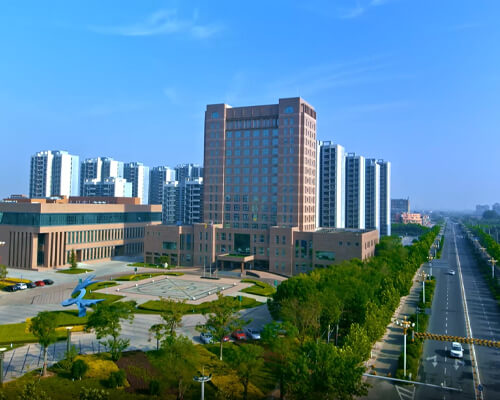
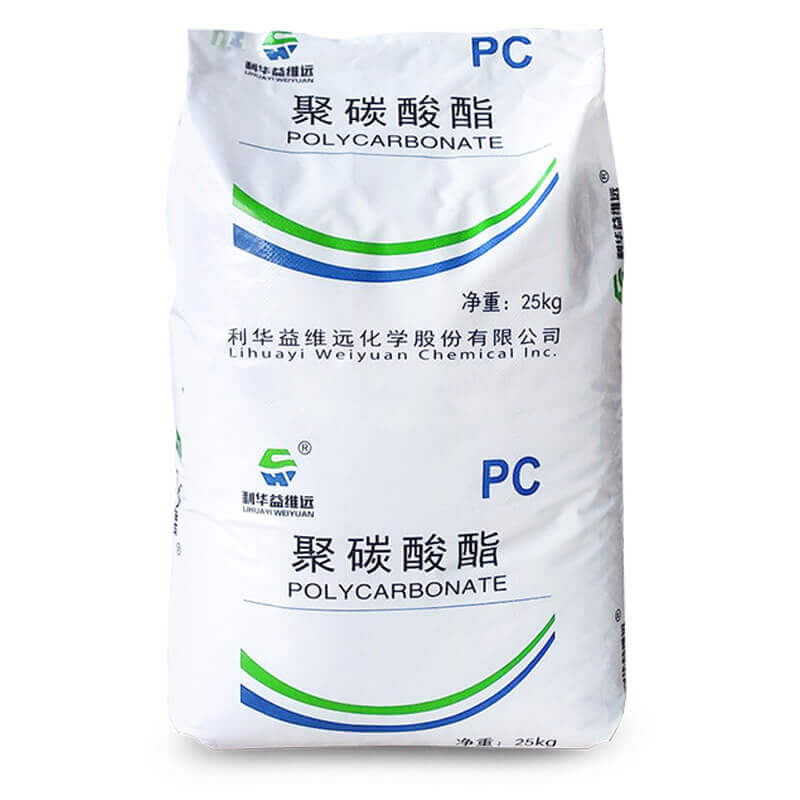
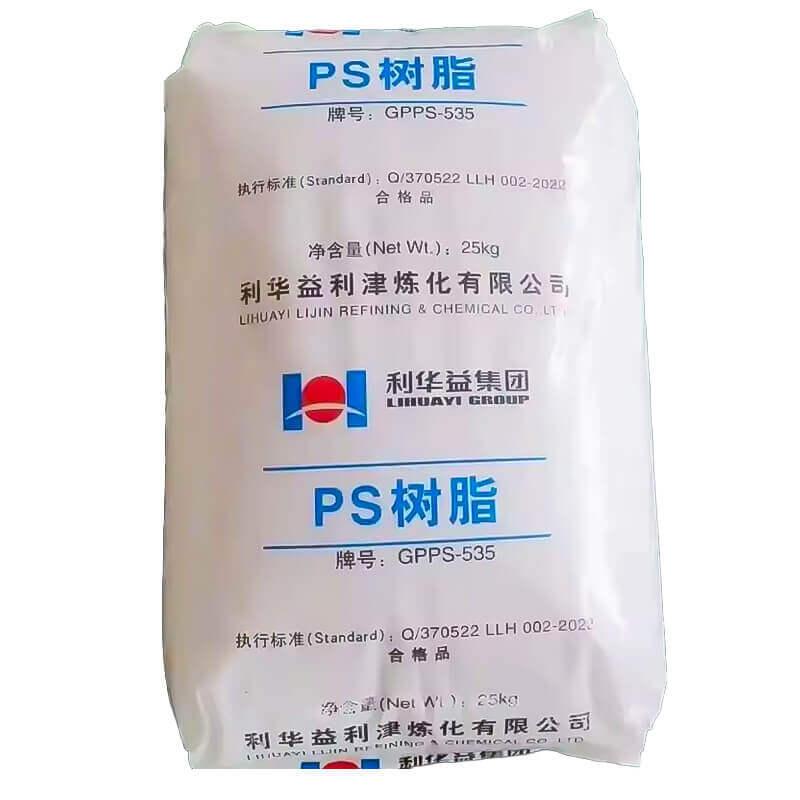
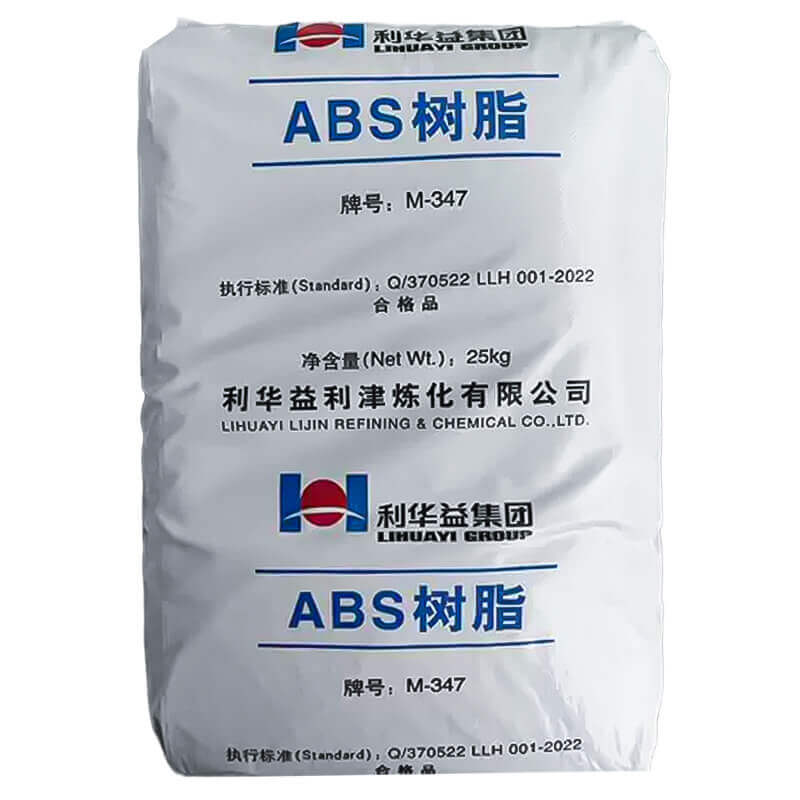
Lihuayi Group Co., Ltd. is a large-scale private joint-stock enterprise group with petrochemicals as its core business, integrating pharmaceuticals, textiles and apparel, and import and export trade. It ranks among the top 500 Chinese enterprises and the top 500 Chinese private enterprises, and is a leading enterprise in both the high-end chemical and new materials industrial clusters in Shandong Province. Since its establishment, the Group has adhered to the development path of oil-to-chemicals, high-end chemicals, and downstream chemicals" and the development model of "integrated refining, chemical, fine chemical, new materials, and new energy, creating well-known brands such as Lijin Refining & Chemical, Weiyuan Chemical (600955), Phoenix Pharmaceutical, and Sanyang Textile, and constructing a core structure of "one major industrial cluster and two major industrial bases": High-end petrochemical industrial cluster: Nine complete industrial chains have been built, including four full industrial chains for PC, ABS, PS, and ASA, covering high-end chemicals such as propane dehydrogenation, propylene oxide, polycarbonate, and engineering plastics, forming a leading domestic integrated industrial system of refining, fine chemicals, new materials, and new energy. National Modern Traditional Chinese Medicine Industrialization Demonstration Base: Possesses exclusive and distinctive new drugs such as Qizhi Yishen Capsules (a national Class 1.1 innovative drug), Tiandan Tongluo Tablets/Capsules, and Compound Chuanxiong Tablets, making it a significant domestic platform for modern TCM R&D and production. National Compact Spinning Production Base: A leading compact spinning production base in China, ranking among the top ten most competitive in the national cotton textile industry. The Group adheres to the core values of "harmony, selflessness, autonomy, and self-awareness," and maintains a four-system management approach encompassing safety, environmental protection, energy, and quality, achieving stable operation of its facilities with long-term, high-load, and high-yield performance. In 2025, the Group's sales revenue exceeded 170 billion yuan, continuously leading the high-quality development of the regional chemical and real economy. Core Advantages: Full-industry chain integration: Vertically integrated from crude oil processing to high-end new materials and specialty resins, leading the industry in cost, technology, and risk resistance. High-end Product Matrix: Primarily supplies high-performance materials such as **GPPS, HIPS, PC, ABS, PC/ABS alloys, ASA, and polyoxymethylene (POM),** widely used in automotive, electronics, home appliances, medical, and aerospace industries. Innovation-Driven: Established the Lihuayi Polymer Materials Research Institute, collaborating deeply with universities and research institutions to independently develop high-end alloys and specialty resins, with many technologies reaching international advanced levels. Green and Low-Carbon Development: Promoting energy conservation, carbon reduction, clean production, and a circular economy, constructing an inherently safe and environmentally friendly modern chemical industrial park. Looking to the future, Lihuayi Group, guided by the philosophy of Low-carbon New Materials Setting the Direction, Creating a Shared Future and Leading Development,"** accelerates its development in high-performance engineering plastics, specialty rubbers, and new energy materials, striving to build a world-class high-end chemical and new materials industrial group. Strengthening the Industrial Chain and Leading the Way in New Quality: A Chronicle of Lihuayi Group's High-Quality Development in 2025 In 2025, facing a complex market environment, Lihuayi Group Co., Ltd. forged ahead against the trend, improving quality and efficiency. Driven by its full industrial chain advantages and technological innovation, it delivered an impressive performance with sales revenue exceeding 170 billion yuan, continuously consolidating its position among China's Top 500 Enterprises and a leading company in Shandong's high-end chemical industry, writing a new chapter in the high-quality development of private chemical enterprises. Deepening Industrial Chain Cultivation: Integrated Advantages Highlighted, High-End Layout Accelerated The Group adhered to the "oil-to-chemicals, high-end-to-chemicals" strategy. Throughout the year, its petrochemical units achieved safe, environmentally friendly, long-cycle, and high-load high-quality operation, and the refining sector achieved its "three-year major overhaul" cycle target. During the year, a 100,000-ton/year ASA special engineering resin project was completed, and the construction of an 80,000-ton/year polyoxymethylene (POM) plant was promoted. The four full industrial chains of PC, ABS, PS, and ASA were improved, forming a synergistic pattern of nine high-end industrial chains. Leveraging the listed platform of Weiyuan Group, the group has strengthened the supply of core products such as styrene, bisphenol A, polycarbonate, and engineering plastics. New materials such as PC/ABS alloys and high-performance PS have been launched in batches, deeply penetrating new sectors such as automotive lightweighting, electronics, humanoid robots, and 6G communications. Technological upgrading projects such as light hydrocarbon catalytic cracking and C4 comprehensive utilization have been put into operation, optimizing raw material structure, reducing energy costs, and continuously enhancing the resilience and competitiveness of the industrial chain. Innovation-Driven: Technological Breakthroughs and Product Innovation With the Lihuayi Polymer Materials Research Institute as its core, the group deepens industry-university-research cooperation, independently developing high-end products such as PC/ABS alloys, high-impact polystyrene, and special engineering resins, with many technologies filling domestic gaps. The **“Lihuayi” Chemical Innovation Award** has been established to gather industry wisdom and accelerate the transformation of new materials and low-carbon process achievements. In the pharmaceutical sector, innovative drugs such as Qizhi Yishen Capsules are steadily expanding in the market; in the textile sector, high-end compact spinning and functional fabrics are being upgraded, with the three major industries advancing synergistically and providing diversified support. Green and Low-Carbon: Safety as the Foundation for Sustainable Development The Group strictly adheres to the four systems of safety, environmental protection, quality, and energy, comprehensively promoting energy conservation and carbon reduction, clean production, and intelligent management. Significant progress has been made in equipment energy efficiency benchmarking, waste heat recovery, and VOCs treatment. The Group successfully passed audits for quality, environment, occupational health and safety, and energy management systems, and was recognized as a green factory and an environmentally trustworthy enterprise. Honor and Responsibility: Industry Leader, Giving Back to Society In 2025, the Group was selected as one of China's Top 500 Enterprises, China's Top 500 Private Enterprises, Shandong's Top 100 Innovative Private Enterprises, and Top 100 Enterprises in Employment Creation. It also received titles such as Leading Enterprise of Shandong Province's High-end Chemical Industry Cluster and Leading Enterprise of New Materials. As a regional economic leader, the Group stabilizes and expands employment, drives the industrial chain, and engages in public welfare, contributing to local development and rural revitalization. Looking Ahead to 2026: Moving Towards the New and High-End In 2026, Lihua Group will focus on new quality productivity, accelerate the construction of projects such as polyoxymethylene (POM), ethylene propylene rubber (EPR), and high-performance resins, expand its applications in aerospace, low-altitude economy, and new energy, and promote its transformation from a manufacturer to a materials solutions provider. Standing at a new starting point, Lihua Group will strengthen and extend its industrial chain, lead with innovation, and pursue green and low-carbon development, striving to build a world-class high-end chemical and new materials industrial group and contribute even more to the high-quality development of China's chemical industry.
Continue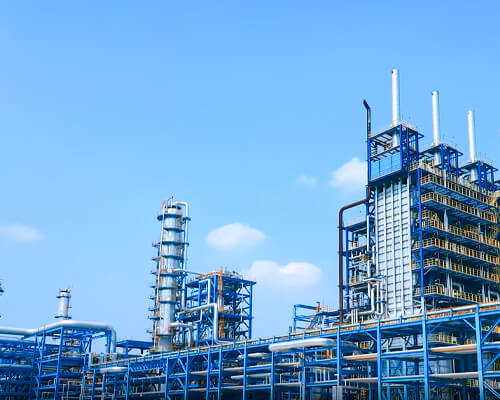
Operating from the core of China’s Shandong Peninsula, we have watched Lihuayi Lijin Refining & Chemical grow with interest and a fair bit of respect. Their rapid capacity build-up mirrors the evolution of many homegrown upstream chemical players hungry to gain leverage in a market driven by unpredictable energy costs and intense global competition. In the workshops and control rooms of our own facilities, we follow these developments closely, not just out of curiosity, but out of necessity. Market shifts in Shandong ripple through every major supply chain in the region—risking both our access to critical feedstocks and our established customer relationships. When Lijin fires up a new cracker or expands aromatic output, that puts pressure on a wide swath of downstream factories. Customers start shopping for price breaks and alternative sources. Strategies that once held steady, suddenly need tuning. Even for established names, it gets harder to secure preferred contracts or forecast margin. At the plant level, the focus on Lijin’s new units brings up more than just capacity figures. There is always a question of safety maintenance, waste-handling upgrades, improvements in flare systems, and the level of automation on the floor. It’s known across the region that environmental inspections swing with little warning. All eyes turn to the bigger plants, especially those with fresh capex investment, to see if they can sustain output when pressure comes from regulators. In our own shop, we remember well the scramble when regulations tightened on VOCs a few years back—the scramble for scrubbers, the late nights spent retrofitting lines, and the race to meet shifting targets. News of these upgrades at Lijin pushes everyone else to check their own compliance plans. Ethylene sits right at the start of multiple chemical value chains—polyethylene, PVC, oxo-alcohols, and many more. Lijin’s new facilities add long-term stability to Shandong’s petrochemical zone, but they also spark a wave of new investments in polymerization plants, compounding shops, and blending workshops. Companies across the county start penciling out their own expansion, questioning if they should invest now or wait for the dust to settle. For manufacturers like us who have managed through supply shocks (think port closures during typhoon season or winter gas shortages), the boost in local supplies changes how we approach long-term contracts. We have firsthand seen that access to stable feedstock can encourage riskier product innovations and shorter project cycles since the price volatility shrinks. At the same time, a new entrant with strong back-integration undercuts old assumptions about pricing discipline. The scramble for offtake agreements heats up, and over-the-fence partnerships become crucial. Modern refining and chemical plants don’t just need bigger tanks or higher towers—they depend on an army of trained operators, process engineers, environmental technicians, and automation specialists. The sheer number of recruits needed by Lijin and its peers puts pressure on nearby technical colleges, apprenticeship pipelines, and headhunting firms. For established manufacturers, this means staff churn picks up. Retention budgets swell, as poaching by newcomers means experienced hands move down the road for a salary bump or promotion. Our in-house training department grew out of necessity to keep junior operators up to speed as technology changes. The regional wage curve gets distorted each time a giant like Lijin opens a new line, and competitors are left rebalancing bonuses, shift premiums, and career paths to minimize losses. It’s more obvious with each passing year that a healthy, skilled pool of plant workers forms the backbone of any sustainable chemical hub — and the fight for talent is just as critical as the fight for customers. Whenever Lihuayi Lijin announces new decarbonization investments or green feedstock trials, we get plenty of questions from both buyers and inspectors about our own carbon roadmap. There’s growing pressure to publish independent process audits and digital traceability for emissions all the way down to the block level. Large producers like Lijin can invest in carbon capture and waste heat recovery, setting new benchmarks across the sector. We have faced the challenges ourselves of scaling up recycled feedstock, finding credible suppliers, and managing the unavoidable cost increases in environmental upgrades. No producer likes to pay more for logistics or filtration, but regional peers know that those who fall behind on green upgrades risk being cut out of branded consumer chains or export orders bound for Europe. Sustainability becomes a matter of survival. Commodity cycles in chemicals and refining never move smoothly. Oversupply means price drops and consolidation, and then, just as quickly, drought comes and every molecule counts. The entry of major integrated projects like those of Lijin adds new uncertainty—sometimes they can flood the market with one grade, but still leave shortages in vital intermediates that only older, flexible producers can fill. Our experience through previous down-cycles taught us how to adapt by building up smaller specialty lines, managing relationships with older plants, and protecting cashflow through long-term contracts and hedged energy inputs. Veteran producers across Shandong trade war stories about negotiating freight bottlenecks, finding off-grade buyers for stranded volumes, and racing to close short positions when futures curve swings catch management flat-footed. Lihuayi Lijin’s rapid ascent in production means even the bigger teams must revisit their approach to credit management, customer diversification, and cost transparency. Some view every new refinery or cracker as a threat, others as an opportunity for collaboration. From a manufacturing standpoint, the answer lies somewhere between. We keep a close eye on procurement offers coming out of Lijin, either for bulk intermediates or for off-take arrangements. At times, partnerships make sense—pooling logistics resources, swapping byproducts, or coordinating shutdowns to avoid pinching the market in peak season. At other times, the same company becomes a rival in securing municipal incentives or government project approvals. Over decades, regional chemical clusters learned to navigate the tension between competition and necessity. Well-run plants with stable supply chains can weather temporary gluts in output, tight labor conditions, or regulatory crackdowns. True success for forward-looking manufacturers comes from building trust—trust with local communities on environmental impact, trust with buyers on quality and supply promises, and trust with government regulators on safety and emissions. The announcement of Lihuayi Lijin’s continued expansion doesn’t just change balance sheets in Shandong—it pushes every real manufacturer to reexamine priorities, double down on best practices, and stay ready for whatever the next cycle brings. CONTACT INFORMATIONWebsite:https://www.llihuayi-chemical.com/Phone:+8615365186327Email:sales3@ascent-chem.com
Continue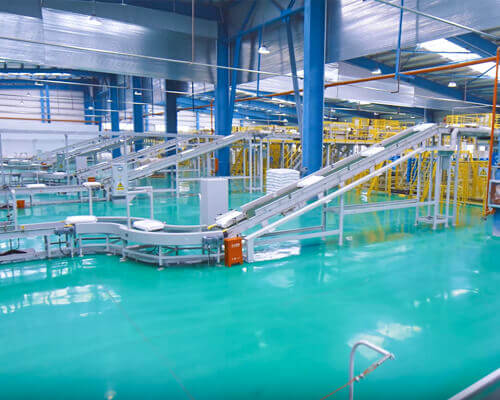
Work never stops at a chemical plant. The team clocks in early and the machines hum through night and day. In the chemical business, that constancy builds more than just numbers on balance sheets. At Lihuayi Weiyuan Chemical, production floors shape habits, and the smell of raw material loading mixes with the clatter of process lines. Orders come in with tight deadlines and high hopes, but steel piping and reactor glassware reveal daily how little room there is for error. An interruption—electric flicker, catalyst shortage, or logistics jam—hits everything downstream, from payroll anxiety to lost trust with old customers. We cannot afford downtime. The people here know their livelihoods depend on getting every mix, every shipment, every compliance checklist right. Over years of expansion, these vibrations carry into daily work. Training new operators isn’t just about process chemistry or valve settings; it comes down to protecting both teams and the local community. Nothing reminds you of that responsibility like a line alarm at two in the morning or the sight of inspectors going through plant safety checks. The chemical business in China contends with local policy changes, rising labor costs, and evolving export controls. At Lihuayi Weiyuan, we’ve had to listen by watching: not only market signals but complaints that reach the front office, questions from neighbors about what blows from our stack, and feedback from clients struggling with raw material prices on their end. Real innovation takes root because these people—operators, engineers, drivers—raise pressing questions. Everyone wants safer, more reliable product. People want proof that what we release isn’t just “compliant,” but forward-looking. No handwaving meets those demands. Lihuayi Weiyuan’s site deployments with continuous emissions monitoring, accidental release capture, wastewater pretreatment, and solvent recycling systems took years, but those investments made us more ready when new regulatory frameworks landed. Clients raise their own uncertainties every month, but their choices become clearer when trust is built on consistency. Many competitors—domestic and abroad—chase quantities or cost savings, forgetting experienced buyers care less about catalog quantities than timely, on-spec lots and honest technical conversations about what works and what fails. Working inside an actual manufacturing environment, you see how quality really gets built: not by printing extra quality control paperwork or tacking on expensive certifications, but by watching raw material bins, blend tanks, analytic reports, and yes—what operators say about ingredients that just don’t smell or look right. Lihuayi Weiyuan’s growth over the past decade relied as much on operators’ intuition as on top-down investment. High grade chemical production carries sharper risks. Leakages, accidental exposures, or flammable buildup hurt not only business, but worker trust and reputation in the community. Large production runs for domestic and overseas clients now require documentation and tracing that can stand to government scrutiny at short notice. Each analyst in the lab knows: one skewed pH test, one out-of-range IR spectrum, and the load stops where it stands. New entrants or cost-chasing intermediaries never feel the same level of skin in the game. It’s easy to promise “consistency” from an office—but when customers lose a batch in their downstream process, it’s our customer service answering the call, our technical teams explaining the details, and sometimes, our drivers and managers sitting down face-to-face to solve it together. This business rewards the facilities that outgrow shortcuts and invest in local and international certifications, not to impress auditors but to lock in real learning. Environmental risk, workplace safety, and honest pricing matter if you aim to run year after year, through global shocks in shipping, feedstocks, tariffs, and trade friction. Every plant expansion means discussions—not just about capacity or throughput but about how a bigger footprint fits into the local community. At Lihuayi Weiyuan, old neighbors remember when the plant ran with half its current headcount, and new community input guides how we secure new land, how waste is contained, how fleets handle traffic on village roads, how effluent outfall interacts with groundwater, and how shifts are scheduled to respect local holidays. Policymakers, environmental bureaus, and the families of our workers all watch more closely every year. Too many high-profile chemical incidents in the last decade turned the spotlight on manufacturers. Any gap in documentation or shortcut in process protection—if it exists—will eventually show. The company’s approach evolved: digitized monitoring, automatic hazard detection, and continuous safety training are not just regulatory boxes but strategies for survival and growth in a country where chemical safety and environmental compliance move faster than old habits. Older generations passed down lessons about major incidents, but only new processes and tech investments protect the next one. Sourcings raw materials no longer follows yesterday’s playbook. Five years ago, suppliers across China and Asia delivered steady feedstock streams regardless of global headlines. Today disruptions—pandemic patterns, plant accidents abroad, tightening of bulk chemical transport—force real-time adaptation. Internal planning for Lihuayi Weiyuan moved closer to data-driven models. Plant logistics now map multiple supply options for a single intermediate, factoring in geopolitical risks, customs clearance, and sudden fuel cost spikes. By funneling more R&D money into process intensification and alternative chemistry, we hedge against sudden embargoes and bottlenecks. These decisions restore some manufacturing leverage in a world where commodity players can no longer count on global shipping lanes to salvage lost input. Every order started here builds new habits, new relationships, new pride. Veteran process supervisors teach new hands not just how to keep pumps lubricated or notice leaks—but also why documentation matters, why reporting close calls prevents next week’s accident. On many nights, the plant doesn’t sleep, not because of executive orders but because the family that forms among shift operators, production teams, and maintenance hands watches out for each other. In a sector plagued by public skepticism and memories of chemical accidents, nothing beats a clean record, honest conversations with buyers, and consistent deliveries over years. Promises to innovation and sustainability don’t stick unless they hold up to daily pressure from real production demands, audit trails, and worker suggestions. Lihuayi Weiyuan’s road isn’t paved with slogans, but with gym floors turned into emergency muster points, real-time data that everyone can read, and inside jokes among folks who have weathered night shifts without a hitch. Chemical manufacturing faces another decade of headwinds—economic, regulatory, environmental, and social. At facilities like ours, pressure turns stubborn thinking into new routines. Every order sent past the security gate passes an invisible test—of quality, of accountability, of human care in a world that doesn’t wait for second chances. Since the first drums left the warehouse, Lihuayi Weiyuan built its standing one shift at a time, one improvement at a time, on the stubborn pride of folks who bet their future on improvement, not just profit margins.CONTACT INFORMATIONWebsite:https://www.llihuayi-chemical.com/Phone:+8615365186327Email:sales3@ascent-chem.com
Continue


Feel free to call us
+8615365186327 sales3@ascent-chem.com