News

Latest news and updates from our company

LIYA OIL PTE. LTD.
2026-03-31

LIYA OIL PTE. LTD.

Working on the production floor and in product development labs, we have learned the importance of relationships across the entire oil and chemical industry. Every name making the news gets attention, but the reality unfolds in what those stories mean for customers, suppliers, and manufacturers. LIYA OIL PTE. LTD. draws attention as a growing player, adjusting to changing market demands and shifting patterns in the global oil trade. We don’t just hear about these companies; we experience the effects from oil price shifts, changes in trade flows, and new product grades reaching different corners of the world. When a newcomer or relatively new company gains traction, our clients start asking about raw material availability or the stability of supply. Supply chain security often sits in the background until a shipment is late or costs creep up. Our own teams work overtime tracing sources and confirming real-time availabilities directly with suppliers. Rising influence from traders like LIYA OIL PTE. LTD. in sourcing or transshipping chemical feedstocks might not sound dramatic, but those moves directly affect factory schedules and project launches on a daily basis.Manufacturing specialty chemicals, every batch ties back to feedstock quality, detailed shipment tracking, and regulatory documentation. Companies bringing new trading partners to the map always prompt a double-check on consistency and qualification. Production supervisors and quality assurance technicians work together, contacting suppliers and reviewing previously unseen COAs and SDS files. If LIYA OIL PTE. LTD. enters the picture as a new origin of certain oil types, many internal hours go into sample testing, evaluating batch-to-batch consistency, and confirming trace elements stay within stated specs. At scale, this diligent work prevents costly recalls, keeps reaction yields steady, and avoids downtime where the entire production line waits on one delayed drum or container. When companies like ours see a market participant amplifying their activity, the testing load goes up. This happens long before a single shipment clears customs. Real value emerges if that supplier invests in certifications recognized across North America, the EU, or the Gulf. Feedback cycles between procurement, quality control, and logistics keep us aligned on risk and long-term sourcing reliability. Market entries from companies such as LIYA OIL PTE. LTD. only succeed when frontline teams confirm their products don’t disrupt years of production experience and quality benchmarks set by clients in the food, electronics, polymer, or coatings sectors.Every shift in the oil and chemical trade triggers internal risk assessments. Experience taught us to track geopolitical changes, compliance requirements, or regional sanctions since the tiniest oversight can set off chain reactions. If an oil supplier draws regulatory attention or there’s even a hint of shipping ambiguity, regulatory and audit teams start reviewing every recent bill of lading and customs declaration. Sustainable sourcing has become a daily reality. Discussions about LIYA OIL PTE. LTD.—especially if tied to expanding capacity or non-traditional trade routes—raise concerns over origin transparency and environmental stewardship. Our sustainability leads chase documentation proving that materials don’t just meet basic regulatory standards but also align with client-driven corporate responsibility goals. Many end-users now require upstream traceability audits and are ready to pause projects if any link in the supply chain lacks transparency. Larger trading outfits with investments in documentation, emissions tracking, and digital traceability gain a clear edge under stricter customer scrutiny. Market share shifts, plain and simple, when suppliers respond rapidly and transparently to increasing regulatory and social compliance demands.No company manufacturing chemicals at scale escapes price swings or shipping chaos. Established traders, rising players like LIYA OIL PTE. LTD., national oil producers, and logistics partners all shape daily volatility. Large-scale customers depend on stable pricing, consistent lead times, and bulk shipment reliability—needs that often conflict when the market churns over new entrants or shifting trade alliances. Manufacturing planners now demand more frequent updates, and hedging conversations have become the new norm. Sharing risk management tools with our customers and passing along insights about changes in global trade flows help keep everyone informed and better protected. Solutions lie in greater transparency, broader supplier qualification programs, closer digital integration with trading and shipping partners, and collaborative crisis response plans. Any company stepping up to a more significant role can succeed when they listen to the worries of frontline manufacturers on product quality, documentation, and reliable, predictable supply.Years on the production line and in supply chain management reinforce that trust outlasts even the biggest shifts in oil and chemical trade routes. New faces—including companies like LIYA OIL PTE. LTD.—face skepticism, but consistent performance, clear documentation, and proactive solutions win over procurement teams, engineers, and QC managers. No marketing pitch replaces decades of hard-won experience troubleshooting a bad batch, resolving a late delivery, or finding a quick fix when traditional sources go offline. Manufacturers talk to one another, quietly sharing feedback about supplier reliability or red flags. Only after repeated positive results does a supplier transition from ‘unknown’ status to ‘preferred partner.’ Investment in people, streamlining communications, and adapting quickly to client needs make lasting relationships. Alongside global headlines and trade speculation, daily work continues with one main goal: manufacturing safe, reliable, responsible, and cost-effective products for customers around the world.
Read More
Lihuayi (Lijin) Engineering Plastics Co., Ltd.
2026-03-31

Lihuayi (Lijin) Engineering Plastics Co., Ltd.

As a manufacturer in the evolving engineering plastics market, I follow news about companies like Lihuayi (Lijin) Engineering Plastics closely. Their progress has real implications for those of us who spend our days at the intersection of chemistry, process control, and quality assurance. There is no magic shortcut in our business. Reliable throughput and honest raw material sourcing are what separate competent producers from flashy entrants. Lihuayi’s operations run on a large, integrated site, which shapes how they manage supply chains, waste, and customer demand spikes. Their direct access to upstream feedstocks gives them a significant advantage in stabilizing resin pricing, especially when petrochemical costs spike or logistics systems get choked. Consumers down the line do not want to hear stories about unexpected plant outages delaying their shipments; they want deliveries to show up on time, as ordered. From experience, maintaining steady operations and direct raw material channels reduces headaches for both the manufacturer and the end user.Manufacturing at scale means thinking about integration, not only from an equipment standpoint but also across chemical pathways. I have seen firsthand how disruptions to even one input can bring down a production line. Lihuayi leverages their chemical park location to keep key feedstocks like styrene and acrylonitrile in steady supply. For those of us in engineering polymer manufacturing, stable access to these raw ingredients underpins all performance promises we make to automotive, electrical, and consumer goods clients. Even small variances in monomer purity or moisture can shift mechanical properties. Tying upstream synthesis directly to compounding lines—without depending on third-party traders—tightens control and helps shield customers from global price whiplash and speculative behavior that often creeps in during tight markets or port bottlenecks.In running our own reactors and extrusion lines, every day brings fresh lessons about process stability, operator training, and recipe fine-tuning. Plants like Lihuayi invest heavily in process automation and analytical equipment, which helps shrink batch-to-batch property drift. Having a laboratory staffed with polymer scientists and technicians close to production floors limits the risk of sending out off-grade lots and builds the culture needed for technical progress. Feedback loops anchored in data, not marketing claims, give long-term partners reason to trust the material beyond its initial certificate. My career has taught me that talk about “high performance” or “advanced applications” rings hollow unless the molecules always turn out as promised under real-world conditions.Lihuayi’s reputation as an engineering plastics maker reflects more than their resin output. Manufacturers today cannot ignore the environmental and social impact of their operations. Waste gas, fugitive emissions, and water handling procedures show up in the bottom line and the local news. It’s easy to run a few campaigns about being “green,” but much harder to invest in solvent recovery, flare reduction, and downstream recycling. Our plant teams attend meetings with city officials, respond to local residents, and routinely wrestle with strict safety drills—the public expects action, not only words. Pollution control upgrades and emergency response teams cost real money, yet skipping them endangers both workers and the company legacy. Lihuayi, with its entrenched footprint and reliance on local talent, makes environmental upgrades a practical choice, not only a compliance box to tick.Ever since anti-dumping duties, changing import tariffs, and new recycling mandates emerged, manufacturing strategy cannot ignore global shifts. Lihuayi’s scale and focus on backward integration illustrate how Chinese suppliers aim for both price competitiveness and resource security. Many competitors still rely on spot imports of essential monomers or purchase compounding additives from overseas traders, making their cost base riskier. Large manufacturers in China have begun investing in research partnerships with local universities, testing new formulas to deliver flame retardancy, color stability, or improved impact resistance. In my workshops, I see more requests for custom blends that match stringent international standards for automotive and electronics; having in-house application engineers who can troubleshoot problems or offer insight on process tweaks builds stronger relationships with multinational buyers.The market for engineering plastics relies on much more than price. Fast quoting and short production cycles appeal to converters, but they want guarantees on performance, warranty, and post-shipment support. In my day-to-day work, buyers show more interest in troubleshooting tough molding issues than in securing the absolute lowest price per kilogram. Companies like Lihuayi build their business on repeat orders and long-term partners, not just one-off bulk shipments. Responsiveness to both technical questions and supply interruptions establishes trust. We commit to joint pilot trials and dedicate account managers who know not just the product line, but the language and workflow of each client segment—this hands-on approach separates a true manufacturer from distant traders with thin technical backing.While company brochures spin tales of innovation, the people on blending lines and in plant control rooms ultimately decide whether new ideas live or die. Practical upgrades like advanced devolatilization units, new antioxidant packages, and precise dosing systems for glass fiber or pigment make the difference. Lihuayi’s production engineers often field requests from customers who want to shift a minor recipe element; sometimes these tweaks do not look impressive on paper, but they deliver outsized results in terms of productivity or end-use reliability. Having seen hundreds of customer visits and factory audits, I know openness in sharing process insight and product origin wins out over a polished PowerPoint.Every day on the production floor makes clear: plastics manufacturing rewards long-term thinking, transparency, and willingness to invest in real process improvements. Lihuayi (Lijin) Engineering Plastics continues to draw attention because it reflects the strengths and challenges many of us face—balancing raw material security, steady operation, product consistency, safety, and customer partnership. Customers today demand not only high-performance polymers, but also credibility that only real producers can maintain. Growth comes from repeat trust—delivered one order, one application, and one plant improvement at a time.

Read More
Lihuayi Shenjian Chemical Co., Ltd.
2026-03-31

Lihuayi Shenjian Chemical Co., Ltd.

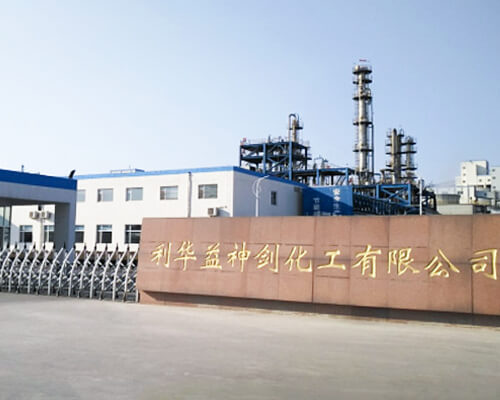
Lihuayi Shenjian Chemical stands as a clear example of what large-scale producers in China contend with as the chemical industry transforms. Decades ago, production in Shandong Province seemed to revolve around less scrutiny—demand was surging, and turning out high volumes kept everyone busy. These days, regulatory oversight weighs heavy, and real attention falls on both safety and environmental controls. It’s not just about making chemicals; you either adapt or you watch business slip away. Lots of family-run operations in the region learned this the hard way, losing out as groups like Lihuayi Shenjian adopted continuous improvement in process management and real investments in cleaner production lines. The rules evolved quickly, and so did the skill sets required on every shift. These stories don’t show up in annual reports, but you can see their impact in quieter, cleaner factories and the lower tolerance for incidents.Before the current regulatory environment took hold, chemical companies often regarded community relations as someone else’s problem. Complaints about air quality triggered near-daily headaches, and it’s fair to say that without hard investments in emissions abatement, public trust would have vanished. Lihuayi Shenjian chose to bite the bullet, pouring resources into scrubber retrofits, wastewater upgrades, and stricter protocols for waste handling. These upgrades forced everyone on the floor to think beyond the week’s production targets. When nearby residents see fewer plumes and smell fewer “process odors,” things shift—there’s less resistance to expansion projects, and municipal partnerships become less contentious. We’ve seen similar moves at companies our plant works with down the coast, where investing in effluent controls actually led to less downtime from environmental investigations. No one misses the old days of firefighting after a surprise inspection or scrambling to patch leaky tanks under pressure.Buyers want consistency, not drama. Lihuayi Shenjian recognized that large buyers—plasticizers, paints, rubber processors, and more—count on steady shipments of basic chemicals. Delayed railcars or half-baked quality checks don’t just risk one order; they threaten ongoing volume. In recent years, the strategy shifted from chasing one-off orders to securing multi-year relationships. This has real consequences in day-to-day operations. Long-term supply contracts push us to maintain high uptime, sharper documentation, and quicker troubleshooting. It’s not enough to blame the weather or “supplier’s fault” on any hiccup. The plant management at Lihuayi Shenjian invested in both process automation for blending tanks and actual training—people had to relearn standard operating procedures because today’s baseline for “acceptable offspec” is a lot tighter. One sees benefits in fewer returned drums, but also in feedback from buyers’ own quality teams. The end result: the downstream sector gets less supply chain whiplash, and manufacturing employees have tangible pride when repeat business comes through a hard-fought renewal.Rising upstream feedstock costs challenge even well-established producers. Years ago, fluctuations in naphtha or methanol prices could be shrugged off or passed downstream, but market discipline from both domestic and international competitors means there’s nowhere to hide when margins slip. Lihuayi Shenjian faced the same pressure to upgrade old reactors, adopt adjustable energy management on their boilers, and optimize laydown in bulk storage. These changes play out directly on the floor, where operations crews track production more closely and maintenance windows shrink. I’ve watched teams in our own control room debate the merits of swapping in a newer catalyst or running a batch a few hours longer to cut rework rates. Price battles with international producers leave little room for error or waste. The end result is a relentless drive for efficiency—every shift supervisor knows that even minor slip-ups affect not just product quality but the ability to compete.Stringent safety systems went from box-ticking to culture change. High-profile incidents, both at home and abroad, made clear that leadership needed to fund regular safety drills, chemical leak response upgrades, and enforce real consequences for cutting corners. Lihuayi Shenjian’s overhaul of its process safety management gave other plants in the region clear marching orders: periodic inspections, daily checks of gas detection systems, and fresh PPE aren’t optional. These measures changed shift routines—no more pencil-whipping checklists or letting minor leaks slide until the weekend. It sometimes feels like the added steps slow throughput, but after attending a few incident review panels, nobody wants to cut corners. Operators know that discipline in hazardous environments keeps both teammates and plant neighbors out of harm’s way. This ethos trickles down to line workers, who view the commitment to safety as more than policy—it influences how subcontractors and supply haulers interact with the facility. Mistakes will happen, but one careless decision no longer disappears into the background.As export markets have shifted, plant managers learned to adapt on the fly to changing trade policies, customs bottlenecks, and evolving standards in destination countries. Lihuayi Shenjian’s expansion into global shipments forced logistics and packaging improvements, sparking changes in labeling, container management, and cargo documentation. We’ve received customer queries about compliance with foreign chemical inventories more frequently over the past couple years. Adapting to REACH in Europe or K-REACH in Korea isn’t a matter of ticking boxes—it drives investment in product stewardship and forces continuous training for QA managers. Other manufacturers follow suit, tracking new rules and bulk logistics developments to maintain trust with trading partners. Regional buyers pay attention, and they react quickly to any sign of repeated customs holds or misplaced paperwork. This experience taught us that building sustainable supply chains links regulatory know-how with hands-on problem-solving; you need both to keep global business moving, especially with shifting political winds.Technology in chemical processing moved past simple valve-twisting. Younger plant workers coming in expect automated controls, digital twins, and data-driven SOPs. Lihuayi Shenjian invested in hands-on training and brought in specialists so seasoned technicians could grasp new DCS panels without feeling outpaced. Our own hiring reflects this shift—we look for experience with advanced predictive maintenance and real troubleshooting under abnormal process conditions. New graduates need to prove more than paper credentials—they have to show they can work safely and flexibly in evolving teams. The competition for engineers and operators is tighter than ever: retention hinges on a combination of fair wages, continuous learning, and the real chance to make process improvements. I’ve watched older line leaders mentor rookie hires, explaining the “why” behind step changes or insisting on clarity in handing over shift reports. A facility’s health and safety culture depends as much on this person-to-person training as on the best control system or technical certification.Years of firsthand observation reveal the pace of change since the earliest expansion booms in China’s chemical industry. Plant improvement at Lihuayi Shenjian shows that survival means more than expanding nameplate capacity. Teams unified under stable leadership step up during turbulent stretches—workers who come in for double shifts during switchover periods, engineering teams learning new reactor systems, and project managers investing time on night audits instead of handing them off. Hard-earned gains in emissions performance draw on both technical upgrades and culture shifts. Downstream partners respond to transparency and reliability, not empty slogans. Investors and regulators watch compliance and community engagement, shaping which companies grow and which recede. For chemical manufacturers, daily decisions shape not just the month’s production report, but the reputations of whole districts. Everyone feels the pressure to get better, learn faster, and never let success breed complacency. Lihuayi Shenjian’s experience reflects what production teams across China recognize: those who adapt, collaborate, and keep improving stand up the longest to challenges both old and new.

Read More
Lihuayi (Hainan) Trading Co., Ltd.
2026-03-31

Lihuayi (Hainan) Trading Co., Ltd.

As a direct producer in the chemical sector, our business has watched trading companies like Lihuayi (Hainan) Trading Co., Ltd. grow and diversify in a landscape transformed by global demand, regulatory tightening, and evolving technology. Whether it’s solvents, resins, intermediates, or base chemicals, a chemical producer commits facilities, engineers, years of research, and significant quality-assurance to keep output consistent batch after batch. Once the product clears the reactor and reaches our loading bays, our name carries the responsibility of purity, reliability, and compliance—all right up to the end user’s door. Over years of interacting across the supply chain, it becomes clear that the role of a trader like Lihuayi (Hainan) Trading Co., Ltd. offers a useful link—and at times, a friction point. Inside the walls of our plant, we track raw materials from trusted upstream providers, run round-the-clock tests, and adapt processes to minimize waste streams or optimize specific physical properties. Producers and traders often speak different languages when it comes to the everyday pressures of the industry; we focus on process safety, maintenance shutdowns, raw material price shocks, and emissions targets, while traders care deeply about logistics, market movements, customs regulations, and end-user expectations. Quality doesn’t start in the warehouse, it starts at the reactor. As a manufacturer, we’ve witnessed how questions of origin and traceability grow louder every year—from a regulatory, customer, and even environmental perspective. Lihuayi (Hainan) Trading Co., Ltd. sometimes acts as a bridge, offering wide networks, innovative payment schemes, and “one-stop” logistics. Yet, every time a product leaves our site, our certificate of analysis, lot number, and reputation follow. If an issue arises in the field—let’s say non-wetting of a synthetic resin or an impurity in an amine—those calls come back to our lab door. Repackaging, relabeling, or cross-mixing from trading companies can muddy these waters, so clear communication and robust documentation are critical for both sides.Traceability demands solid data. Over the last decade, sources of raw materials have come under greater scrutiny, and regulatory agencies conduct audits more aggressively. Downstream users want to avoid supply chain scandals, and so do we. Direct audit access to our facilities has sometimes been blocked by distribution layers. This disconnect can threaten trust and put projects at risk. Pushing for digital records, batch traceability, and transparent specification handovers forms a challenge, yet there is collective pressure to provide more data, not less.Trading organizations like Lihuayi (Hainan) Trading Co., Ltd. regularly present opportunities: opening new geographies, bringing volume stability, or helping customers bridge cultural or administrative gaps. That is valuable—sometimes we need local partners when introducing a new grade in a market with strict procurement channels or language barriers. Seasonality, supply shocks, or port disruptions can send buyers scrambling, and well-connected traders can smooth these problems. But from a manufacturer’s point of view, using independent traders as the sole market channel can reduce our visibility to end-user needs. Technical requirements change in each territory. Without direct dialogue, it becomes easy for critical details about storage, usage, or complaint-handling to get lost. For specialty chemicals—additives, co-monomers, or performance-enhancing materials—these gaps undermine the innovation pipeline we strive to maintain. We have found that close relationships with technologists, not just logistics coordinators, are vital to long-term success.The chemical business carries a long history of trust and, at times, missteps. Scandals involving tainted batches or misrepresented materials often trace back to unclear chains of custody. As a manufacturer, we know each ton of output reflects both brand value and legal liability. In markets with less rigorous oversight, traders sometimes blur lines between grades or mix sources to capture short-term profit. These behaviors cannot coexist with the quality standards we enforce in our daily operations.Our facilities capture every lot, every deviation, every non-conformance report. We participate in voluntary registration programs, offer customer site audits, and conduct in-house hazard analysis. We urge our trading partners, including those like Lihuayi (Hainan) Trading Co., Ltd., to raise their documentation and compliance standards match. By supporting certification schemes and open access to product stewardship files, the industry can weed out shortcuts that lead to problems months or years later.Recent years brought a surge in logistics disruptions, raw material scarcity, and rapid swings in demand. As a manufacturer, we felt the sting of idle reactors, storage constraints, and long-lead imports. Any trading entity operating in this ecosystem encounters the same volatility. Operating a chemical plant requires safety stock, backup suppliers, and preventive maintenance—rarely just-in-time logistics. During crises, established partnerships prove their worth. Many trading companies stepped forward, offering alternate shipping lanes, floating stocks, or creative solutions. Yet, the lesson from every crisis points to the need for closer alignment from origin to endpoint. Better digital integration, standardization of paperwork, and shared risk management tools all help. As regulations in Europe, North America, and East Asia grow more complex, gaps in documentation lead to customs delays or, worse, rejected cargoes. Sharing more real-time information—about inventory, shipments, and even production status—cuts risk and overhead on both sides. The expectations for the chemical industry shift every year, as customers, regulators, and employees push for cleaner, safer, more transparent operations. Continuous improvement is more than a slogan—it’s how we avoid waste, educate our staff, and respond to shifting product requirements. As a manufacturer, we face daily tension between cost pressure, quality systems, and sustainability targets. The most successful traders in today’s world, including Lihuayi (Hainan) Trading Co., Ltd., understand these pressures and bridge them, not simply move product from A to B.Investment in digital supply chain tools, transparency initiatives, and mutual technical cooperation will ultimately decide who thrives and who stumbles. Chemical manufacturing is not simply about output, but about stewardship of materials, brand, and relationships. Companies that treat every handoff as a blind transaction fall behind. As direct producers, our goal is to ensure every shipment reflects the standards we’ve built across decades, not just the lowest price on a spreadsheet.Years of experience on our lines have shown that strong partnerships produce not just growth, but resilience and reputation. Trader-manufacturer relationships test themselves not during calm, but crisis. Problems handled well, in strict confidence and with full technical clarity, build trust that persists across cycles. True value in the chemical supply chain comes from open dialogue, mutual investment in quality, and the willingness to face market challenges together.As regulatory forces, customer preferences, and technology shape this industry, our role as manufacturers requires ever-closer ties with those who bring product to market. Only genuine collaboration—focused on technical excellence, documented quality, and shared risk—will deliver the responsible chemistry the world demands.

Read More
Lihuayi (Qingdao) Technology Co., Ltd.
2026-03-31

Lihuayi (Qingdao) Technology Co., Ltd.

Out on the eastern coast, Lihuayi (Qingdao) Technology Co., Ltd. has stirred up the conversation in the chemical industry. This company finds itself under the microscope for a few reasons—ranging from how it shapes the downstream supply chain to how its operations weigh on competition and raw material security for local partners. We produce chemicals in bulk for both domestic and export markets, so these topics affect the way we buy, plan, and stay competitive. Many voices talk about China’s drive for chemical industry integration, and companies like Lihuayi Qingdao help draw the map for that. Market consolidation and regional clusters drive efficiencies that some of us smaller or independent producers can only chase as we see those patterns settle in the region. When a producer scales up and steps into new product lines, that changes raw material flows, moves technology standards forward, and can raise expectations from both regulators and large clients.There’s no shortage of experience with large competitors raising the bar on process safety, emissions control, and product consistency. Lihuayi Qingdao's profile has made us revisit our own automation routines, our electronic reporting, and—more than anything—our approach to traceability. Equipment upgrades force choices, not because they want publicity, but because clients ask us to show credible, trackable histories for every batch delivered. The days of manual records are long gone for plants aiming at international buyers. We cannot skate by just signing off a batch slip with a technician’s initials. Digital monitoring is not only a trend, but built into every order from big-name clients—the kind Lihuayi Qingdao now competes fiercely to serve.Their product portfolio has been growing, and as a manufacturer, it catches our attention every time these expansions touch on key intermediates, such as acetic acid derivatives, plastics additives, or solvents. These are stones in the foundation for coatings, adhesives, plastics, and rubbers that Chinese industry and manufacturers abroad depend on. Every time an operation in Shandong or Jiangsu shifts volumes or launches a higher-value variant, real effects ripple through price offers and procurement tenders for secondary and smaller-scale makers like us. For companies already dealing with tight margins and volatile feedstock prices, another strong regional producer means we must sharpen our logistics, seek longer-term purchasing agreements for raw materials, and sometimes swallow thin years where price undercutting gets tough and unpredictable. Lihuayi Qingdao’s entrance and expansion in certain lines means that our sales forces need deeper relationships with our clients, more reliable turnaround times, and the ability to pivot between product ranges if price volatility knocks market balance off track.Investment in automation and sustainability, both buzzwords and real imperatives, shape our future every month. Industry leaders like Lihuayi Qingdao talk about energy recycling, closed-loop wastewater systems, and on-site recovery units not as corporate slogans, but as expectations for environmental compliance. Regional governments in Shandong continue to raise thresholds for water and air discharge, setting new minimums each year. Even older plants like ours with steady output have to re-engineer exhaust treatment units and overhaul separation columns more often, or face stops and heavy fines. Often, the largest players make the most noise about their “green” initiatives, and sometimes they execute it at a scale that raises the region’s entire performance. These upgrades mean competition, but they also mean that supply chains get a little more stable, output steadier, and future regulatory risk a little lower for everyone. That’s a challenge, but it comes with some positives.Technology transfer and localization happen quickly around big plants. Lihuayi (Qingdao) pulls in process technology, automation engineers, and maintenance technologists with experience from both Chinese and international backgrounds. We notice the effects in our own hiring pool, as skilled operators look for better benefits and modern factory environments, and we compete harder to offer safe, clean, and stable workplaces. We receive more inquiries from upstream equipment vendors and software providers, looking for footholds in the supply chain driven by regionally ambitious buyers. Those of us producing downstream feel the shockwaves: we’re not only contending with price-competition, but industry-wide upgrading. That comes with growing pains but also with a push to keep up with tools and thinking that help us stay afloat and maybe even grow.Markets have little patience for missed deadlines, and a new large-scale competitor means that operations with less planning risk running short of raw materials. Lihuayi Qingdao’s model relies on medium-to-long term supply contracts, regional warehousing, and more predictable logistics—trucks run on set schedules, shipments link up with port windows, and supply chain managers depend on stable monthly allocations. Compared to ad hoc, spot-based buying, this style tightens up the bargaining space for those still relying on last-minute deals. We find ourselves more frequently negotiating with transport companies for steady contracts, or regularly checking in with old suppliers to keep tonnage flowing without interruption. These are new realities and, frankly, they keep everyone on their toes year-round.Local economies around Lihuayi Qingdao’s base benefit from job creation and growing tax bases, but the expectations around safety, technology, and environment rise for everyone in the chemical zone. We see more regular inspections, broader emergency drills, and stiffer documentation rules for handling everything from liquid bulk to recyclable packaging. A more visible operation with international clients on its roster often encourages government offices to increase their own oversight and reporting, so even stable players like us learn to maintain higher record-keeping and devote greater resources to downstream verification. It’s a living demonstration that a big, modern plant in town lifts the standards across the province, at times raising costs, but also raising everyone’s game in efficiency, market access, and compliance readiness.From our side as manufacturers, the knock-on effects mean either adapting or fading out. We invest in young talent, cross-train skilled operators, and keep close tabs on how technology migrates through the cluster. Lihuayi (Qingdao) Technology Co., Ltd. signals that Chinese chemical manufacturing is moving more quickly into an era of technical transparency, automation, and tighter value chain partnerships. As one plant grows, the ripples are felt across hiring practices, supplier relations, product development, and regulatory reporting. That’s the story—change is not always easy, but it’s necessary, and Lihuayi Qingdao’s moves remind us that staying still means falling behind. With good eyes on the market, willingness to improve, and a network we trust, adaptation beats wishing for the old ways every time.

Read More
Shandong Huaying Equity Investment Management Co., Ltd.
2026-03-31

Shandong Huaying Equity Investment Management Co., Ltd.

In this line of work, shifts in investment patterns don’t slip by quietly. Talk has been buzzing about capital backing in the chemical sector, and Shandong Huaying Equity Investment Management Co., Ltd. has come up plenty. After years at the reactor controls and on plant floors, you get a sense for what makes actual progress versus what just fills pages in a quarterly report. Equity investment outfits like Huaying play an outsized role during cycles of expansion and volatility. Money on paper only helps real manufacturing if it leads to better reactors, safer production lines, and jobs filled by real people—changes that leave a mark every day from the workshop to the community canteen.Experience in production shows that investor involvement shapes which processes run, which plants get upgrades, and which sites get new technology. When outfits like Shandong Huaying step in, they often push for operational efficiencies that squeeze cost without understanding the need for consistent output quality or the stubborn problems of aging equipment. But sometimes, this same capital brings enough weight to finally justify new automation, push through ISO certification, or clear regulatory audits that lingered for years. As a manufacturer, you notice the changes most in staff skill-building programs and updates to dust-collection systems that had been limping along past their service life.Investors can move quickly with spreadsheets and meeting slides, but the chemical industry leans heavily on hands-on skill and hard-earned experience. Upgrades and plant expansions funded through equity often run up against practical limits. Multi-step syntheses, temperature-critical reactions, and large-scale blending don’t always reshape themselves to fit tidy forecasts. Budgets and timelines reflect ideal conditions, but solvents have minds of their own. The union between investor capital and factory expertise only delivers when both sides trust what seasoned engineers, operators, and quality managers report after every batch. Sometimes ambitions outsize reality, and it takes a few plant-scale headaches before expectations recalibrate. When funding pours into chemical manufacturing, its effects don’t stay walled in the industrial park. Workforces grow, subcontractors in transport and spares run more shifts, and the whole local patch benefits. At the same time, the stakes grow for environmental management, safety upgrades, and transparent operations. Having seen investment cycles before, it’s clear that the best returns (for both investors and the community) come from not skipping steps on waste stream controls or proper maintenance planning. Communities remember which companies invest in air quality improvements and safety drills instead of short-term production spikes. The pressure to show quick results to equity partners sometimes pulls energy away from these longer-term investments, but the material impacts of those decisions stick around for years.The loudest talk about equity investment focuses on returns and timelines. On the manufacturing side, the real gains emerge when investment partners stick through the growing pains—unexpected shutdowns, equipment break-in periods, and staffing gaps—without racing to the exit the moment a quarter turns sour. It’s less glamorous than the pitch decks, but this is where credibility gets built. Relationships built on rushed exits or one-size-fits-all “efficiency” rarely sustain. Once those investors have moved on, the site’s left carrying the operational choices made under pressure. Manufacturers pay attention to which houses, like Shandong Huaying, approach plants and partnerships as a shared long-term venture, backing projects that stand up to tough market years, not just rosy cycles.No two days in chemical manufacturing look alike, and market winds can turn quick. So can priorities from the investment side. The gap between financial goals and plant-floor realities often stirs up friction, especially on turnarounds, product tweaks, or regulatory reporting cycles. Bridging that gap means translating investor objectives into practical upgrades: running pilot batches, validating new technology on actual lines, retraining staff for new process safety standards. Firms like Shandong Huaying who take time to understand both market swings and the discipline needed inside a chemical plant play a quiet but important role in which facilities earn a reputation for reliability and sustainable output. Years of daily exposure to chemical production, both in boom markets and tough squeezes, make one truth clear: healthy, productive manufacturing flows from equal attention to capital inflows and operational know-how. The best investment relationships emerge when partnerships respect the stubborn chemistry, the patience required for scaling up, and the value of operators who know the quirks of every valve and pump. Equally, smart investment outfits make lasting contributions by pushing for modernization, transparent reporting, new skills, and high standards—never at the expense of cutting corners on quality or safety. Watching Shandong Huaying and similar firms move through the sector, it’s evident that the long-term winners, both in plant performance and in trust from local communities, grow from this blend of reality-tested experience and timely investment.

Read More
LEEDOR INTERNATIONAL (HONG KONG) COMPANY LIMITED
2026-03-31

LEEDOR INTERNATIONAL (HONG KONG) COMPANY LIMITED

A company like LEEDOR INTERNATIONAL (HONG KONG) COMPANY LIMITED attracts attention in today's chemical industry, not just among buyers but also among chemical manufacturers like us. Having worked long hours perfecting formulation and large-scale synthesis, I often look at success stories in our sector and reflect on the state of the business—what drives reliability, how a business establishes trust, and where genuine strengths lie. LEEDOR operates from Hong Kong, a major logistics hub connecting suppliers and manufacturers across the globe. Navigating regulatory hurdles, customs, and international logistics from Hong Kong comes with a unique set of challenges and opportunities. Manufacturers who set up shop in this city often benefit from efficient warehousing, a robust international transport network, and access to diverse markets. These factors can speed up delivery of raw materials and finished goods, reducing overheads and letting us keep tighter control of our costs and inventory.Reputation in the manufacturing business rests on consistent quality and transparency. Every batch produced leaves a mark on a client's process; any deviation lands on the factory floor, delays production, and erodes trust faster than any marketing campaign can rebuild. When I look at competitors and collaborators out of Hong Kong, I want to see documentation trails that stand up to external audits, plant processes that follow international standards, and a management team that insists on continuous process improvement. Certification through global quality initiatives like ISO 9001, regular third-party inspections, and robust environmental controls signal to customers that management values more than just the bottom line. Our sector knows regulatory expectations can shift overnight. Companies thriving under scrutiny, whether from local authorities or global customers with their own tough specifications, set the tone for the market and show what long-term commitment to quality looks like.In the chemical world, suppliers maintain an edge through deep technical knowledge and the flexibility to solve complex application problems. Manufacturing volume is not the only measure of a supplier’s value. A company like LEEDOR, with its international outlook, likely deals daily with clients in pharmaceuticals, coatings, electronics, and more. Each application brings special purity requirements, compatibility questions, and sometimes the need to customize synthesis routes or packaging. Manufacturing innovation means investing in continuous education for the workforce and maintaining agile R&D teams who converse fluently across disciplines. Having sat on both sides of the formula—engineering reactions on the shop floor, then later serving technical-support roles with our clients—I can say that responsiveness to customer feedback marks out the winners from the background noise of distributors and middlemen. Problems rarely come in through the front door in our line of work; it’s always the little unplanned contamination, the subtle impurity, or a packaging anomaly, only caught because real technical staff pick up the phone or visit the line in person. Chemical manufacturers that build their reputation on deep engagement create supply relationships that last for decades, not just a few orders.Risk management sits front and center for true manufacturers at our scale. The current market rewards resilience, not just price competition. Raw material scarcity, shipping disruptions, and shifting local regulations can bake unexpected costs into every container that leaves the warehouse. Experience teaches that real manufacturers plan contingency into every large order. That means cultivating multi-source procurement for critical inputs, regularly updating supplier audits, and investing in analytical labs that verify raw materials as they arrive. Our colleagues who have weathered storms—from trade wars to pandemic shipping chaos—have always responded with a plan, not simply luck. Manufacturing groups like those in Hong Kong must read global shifts closely, hedge against input price jumps, and communicate honestly with their customers about any unavoidable delays or changes. In the long run, this builds trust and tempers expectations in a volatile marketplace.From an operational viewpoint, the backbone of a chemical maker is a production crew trained not just to follow the recipe but to spot deviations and respond without waiting for head office to approve the next step. That kind of autonomy comes from investing in hands-on technical training, regular safety education, and empowering floor managers to make tough calls when the unexpected hits. Incidents—rare but inevitable—never become disasters at the plants where staff feel confident speaking up and taking quick action. Companies with strong safety cultures attract more qualified workers and lose less time to preventable accidents. Suppliers headquartered in trade gateways like Hong Kong often must comply with global safety standards simply to serve their most demanding customers, leaving no room for shortcuts. In my own experience, the extra cost baked into these standards pays off in lower insurance rates, less regulatory scrutiny, and smoother audits for quality and environmental management.The public rarely sees the way manufacturers build partnerships upstream and downstream. Ongoing R&D investment, close customer technical support, and joint problem-solving with logistics partners add up to real supply chain resilience. LEEDOR’s presence in Hong Kong—at a crossroads of East and West—suggests access to a technology ecosystem that can only help when companies are tackling new sectors like specialty chemicals or next-generation materials. For us, being part of a global knowledge network brings challenges, like protecting proprietary formulations and handling cross-border intellectual property, but also has driven many technical breakthroughs. Joint ventures and technical collaborations, not the most visible part of our business to outsiders, force us to learn faster, share knowledge widely, and respond flexibly to customer needs that evolve year by year.Sustainability is on the mind of every true manufacturer now. Stringent emissions limits, water-use regulations, and hazardous-waste disposal rules push us to innovate. The difference between mere compliance and sector leadership often comes down to a willingness to invest in process upgrades: closed-loop solvent recovery, energy efficiency projects, and automation all cost time and money up-front. These same investments keep supply lines open when enforcement gets stricter or when major multinationals demand greener supply chains. In hot global cities like Hong Kong, environmental regulations can push local manufacturers to develop novel waste management and energy recycling systems, since space and resources come at such a high premium. In our own factories, we discovered early that greening production lowers not only environmental risk but often opens doors to new markets, especially in Europe and North America where buyers scrutinize every supplier's environmental track record. Sustainable manufacturing never gets easy, but it has become the only way forward for serious operators.There’s always talk in the industry about “cutting out the middleman.” The reality—at least for those of us who still get our hands dirty in chemical plants—is a lot more nuanced. Direct supply relationships only work if both buyer and supplier invest in technical dialogue, not just price negotiations. Distributors have their place, especially for reaching many small-lot customers scattered across borders, but only the manufacturer can troubleshoot formulation problems or innovate to meet shifting technical requirements. For companies like ours, and perhaps for large players in Hong Kong like LEEDOR, the winning edge comes from holding key patents or technical know-how that can’t be bought by simply trading stock from a warehouse. Authenticity and direct engagement remain the best risk managers in this business—whether negotiating a new contract, designing a chemical conversion for a novel application, or supporting a client through an unexpected line failure. Every new partnership tests our resilience and adaptability; every returning customer confirms that the direct manufacturer–user relationship remains central to lasting value in specialty chemicals.

Read More
Shengyang (Vietnam) Textile Co., Ltd.
2026-03-31

Shengyang (Vietnam) Textile Co., Ltd.

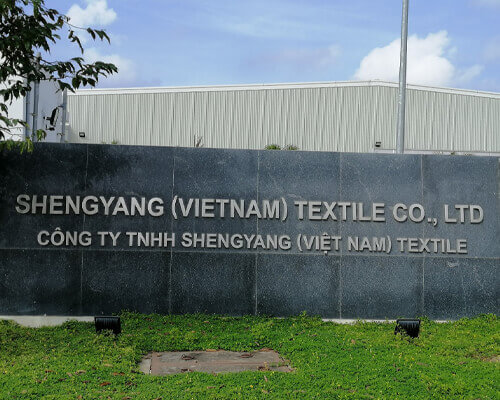
News about Shengyang (Vietnam) Textile Co., Ltd. making noticeable investments in production capacity gets the attention of everyone in chemical manufacturing. Expansion of facilities on this scale can’t be separated from the raw materials and specialty chemicals that keep the machinery running. Textile processing—from spinning and weaving to dyeing and finishing—relies on a web of chemical inputs. Surfactants, softeners, colorants, dispersants, antistatic agents, and textile auxiliaries all feed production lines every single day. Our business supplies many textile processors across Southeast Asia, and we have seen how each time a major plant ramps up capacity, it causes a real shift in upstream demand. Every additional meter of fabric translates to the need for more kilograms and tons of specific processing aids, sizing agents, scouring additives, and formaldehyde-free resins. The choices a mill like Shengyang makes in technology adoption ripple through sourcing decisions for years. This steady rise of Vietnam’s textile sector—driven in part by companies like Shengyang—forces every chemical manufacturer to evaluate raw material security, logistics, and regulatory compliance more closely. Growth means more consumption of products like sodium hydrosulfite for bleaching, hydrogen peroxide for whitening, nonionic and cationic surfactants to aid fabric feel, and a broad array of binders and fixatives for printing. Each chemical must meet rigorous environmental and safety standards in Vietnam, which have gotten stricter every year. Watching demand swing upward, we see a double effect: not only does volume increase, but the bar rises on product purity, wastewater profile, and emissions footprint. Factories look for performance, but also for solutions that help them hit local, regional, and increasingly international compliance marks. Every large textile plant brings new scrutiny to the chemical blends used in washing, finishing, and dyeing. Shengyang’s growth story connects directly to the call for safer, more efficient chemicals. The REACH registration, ZDHC compliance, and OEKO-TEX certifications appear in nearly every conversation with a mill looking to hold global brands as customers. No longer simply selling a drum of sodium hydroxide or a tote of anti-foaming agent: our technical teams now field questions daily about heavy metal content, residual monomers, HAP (hazardous air pollutant) status, and closed-loop compatibility. Companies based in Vietnam often project themselves forward into the next decade by investing in automated dosing and closed water-loop systems, which puts pressure on our R&D to create lower-foam, rapidly biodegradable, and easy-to-monitor additives. Shengyang’s increasing reliance on local suppliers has changed how chemical manufacturers approach partnership. Gone are the days of simply filling shipping containers; now we send technical staff to collaborate onsite, tuning formulations for batch specifics, choosing dispersants that won’t interfere with sensitive RFID-enabled fabrics, or selecting new generation finishing agents free from PFOA, PFOS, or formaldehyde donors. Making these adjustments means we have to adopt more lean production methods and rethink our own supplier relationships for critical feedstocks like ethoxylates, silicones, and defoamers. Like many international firms setting up in Vietnam, Shengyang often requests regular audits of production facilities, raw material traceability, and waste management systems, which has pushed everyone upstream to invest in better QC labs and more transparent digital records. New textile projects like those from Shengyang bring up the issue of sustainability at every level. Local demand for recycled polyester or organic cotton means we tailor enzyme blends for bio-scouring that work on a wider variety of fiber qualities. Many Vietnamese textile mills, tracking national policy and eco-label requirements, move away from traditional metal-based mordants in favor of plant-derived options. This requires not only new chemical synthesis techniques but also faster feedback loops for pilot-scale trials. In our experience, brand audits from global buyers accelerate the move to transparent ingredient lists. If Shengyang takes on a large apparel contract, they pass traceability requirements downstream; suddenly, the chemical manufacturers have to document not only what goes into the reactor but also how each precursor was sourced, treated, and stored. Supply chain reliability becomes a challenge in this landscape. In the last few years, disruptions in logistics—whether by pandemic restrictions or shipping congestion—have had textile companies demanding closer partnerships. Shengyang brings concerns about just-in-time supply, buffer stocks, and packaging flexibility straight to our planning desks. Chemical firms accustomed to seasonal orders must now forecast with greater precision, share inventory data, and keep backup suppliers for key raw materials. This also drives automation inside our operations, from tank-level inventory sensors to EDI-enabled order systems linked directly to textile plant ERP software. If Shengyang announces a new fabric line or color range, our team races to ensure consistent pigment dispersions and carrier solvents, ready for delivery on compressed timelines.Environmental controls become stricter every time a major Vietnamese textile factory steps up output. Government audits now expect annual hazard assessments, emission reductions, and clear plans for process effluent treatment. Shengyang’s footprint requires our hazardous substance teams to monitor every change in Vietnam’s environmental code. We’ve upgraded our wastewater treatment solutions and started offering hybrid products—antimicrobials embedded in sustainable carriers, fiber softeners that degrade rapidly off-line, and fixatives derived from renewable feedstocks. Each product line adapts as the market sets new targets on microplastics, heavy metal contamination, or residual persistent organic pollutants. Sourcing teams spend months reconciling customer requests for both performance and minimum legacy chemical residue, weaving safety and speed into a new standard operating procedure.There is positive pressure as well. Shengyang’s engagement with local communities, labor safety, and skill transfer gives us a better playing field. Onsite safety briefings, stack emission monitoring, and clear information on chemical handling—these values carry through from their production areas into how chemistry is perceived by inspectors, brands, and workers. Our technical team appreciates a partner that puts worker safety on the agenda alongside price and lead time. Better ventilation, PPE adoption, and digital batch records mean we rarely encounter misunderstandings about what belongs in which vat or tank, or how to respond in case of a spill or abnormal reaction. Real stories from the plant floor help us design safer packaging and smarter, easier-to-handle delivery options—reducing risk for everyone in the chain.Looking to the future, chemical manufacturers in Southeast Asia need to see expansions by companies like Shengyang not only as a business opportunity, but as a push to modernize production, documentation, and compliance processes. With each new factory comes new scrutiny—and new chances to offer higher quality, more transparent, and safer chemical tools. This drives investment into better analytical labs, on-the-ground technical support, continuous improvement in product design, and closer relationships with both suppliers and users. The partnership goes beyond supply agreements—success now depends on chemistry that fits the evolving face of textile production, aligns with local and international expectations, and keeps all sides ahead of shifting safety, quality, and environmental targets.

Read More